


What should I do if my legs ache after drinking alcohol?

Leg soreness or pain after drinking alcohol primarily results from prolonged sitting, which impairs peripheral blood circulation and leads to symptoms such as muscle aching.
What to do for leg soreness or pain after drinking alcohol
The following approaches may help alleviate leg pain following alcohol consumption: - Nonsteroidal anti-inflammatory drugs (NSAIDs) can be used—for example, acetaminophen, compound aminopyrine-barbital, indomethacin, or salicylate-based medications. Specific options include Celebrex (celecoxib), Fenbid (ibuprofen), Anruik (a combination analgesic), and Antongding (another compound analgesic). - If leg pain arises from excessive acetaldehyde accumulation—leading to overproduction of acetic acid—applying a warm towel externally may help reduce lactate buildup. - Physical therapy modalities—including microwave therapy and ultra-short wave therapy—can also relieve post-alcohol leg pain. - Medications that accelerate alcohol metabolism may be beneficial—for instance, intravenous naloxone hydrochloride or vitamin C injections.
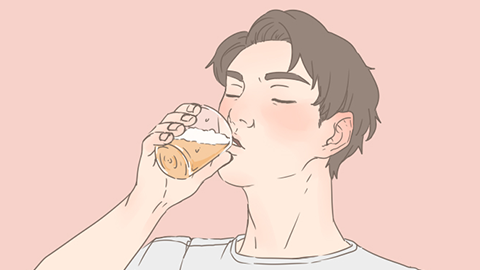
Pain and discomfort in the legs after drinking beer may stem from gout—but this may not necessarily be directly related to alcohol intake. Other possible causes include localized leg pathology, such as local inflammation, bone cysts, or osteochondromas. It is essential to consult a physician promptly for an in-person evaluation. Carefully observe whether there is local redness, swelling, or abnormal masses. If gout is suspected, serum uric acid testing should be performed. If localized skeletal pathology is suspected, radiographic imaging (e.g., X-ray) is recommended.
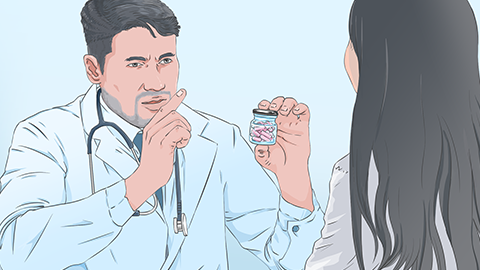
Subsequent treatment should be tailored according to diagnostic findings. For significant pain, symptomatic relief with analgesics—such as meloxicam tablets—may be temporarily employed. We hope this information proves helpful!


