


How long does itching last in the later stages of herpes zoster?

In daily life, many people develop symptoms of herpes zoster (shingles) for various reasons. In the later stages, shingles often causes pruritus (itching), posing risks to health and causing disruptions to daily life and work. So, how long does the itching last in the later stages of shingles?
How Long Does Itching Last in the Later Stages of Shingles?
The duration and intensity of itching in the later stages of shingles vary significantly among individuals—ranging from several days to several months—and depend largely on one’s constitutional health. This itching occurs because nerve sensitivity is heightened during this phase. Treatment may include neurotrophic medications such as mecobalamin, vitamin B1, and vitamin B12. Topical therapies include acyclovir ointment or calamine lotion. For severe pain, oral analgesics such as ibuprofen sustained-release capsules (e.g., Fenbid®) may be prescribed. Traditional Chinese medicine interventions—including acupuncture, bloodletting, and cupping—may also be employed. All pharmacological treatments should be conducted under the guidance of a qualified physician.
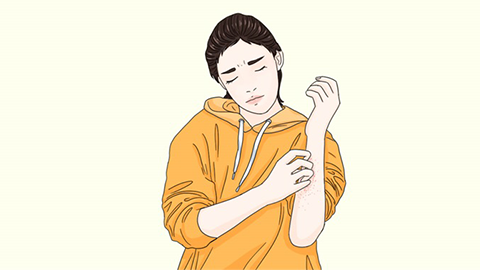
If you develop shingles, it is essential to begin antiviral medication promptly under medical supervision. Avoid scratching the affected area, as this may worsen infection. Shingles is caused by viral reactivation—specifically, the varicella-zoster virus—and is closely associated with diminished immune function. In daily life, drink plenty of water, ensure adequate rest and sleep, avoid excessive fatigue, and refrain from staying up late.
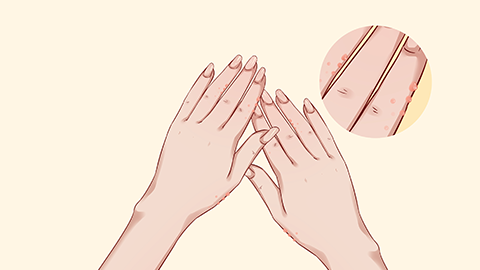
We recommend incorporating regular physical exercise into your routine to enhance overall immunity. Dietarily, avoid spicy and irritating foods, as these may aggravate local skin lesions, intensify itching and pain, and exacerbate skin damage. If vesicles rupture, wound care—including dressing changes—is necessary; patients should keep the affected area dry and avoid contact with water. For large vesicles, disinfect the area with povidone-iodine, then carefully aspirate the fluid using a sterile disposable syringe. Subsequently, apply povidone-iodine solution topically followed by mupirocin ointment. We hope this information proves helpful. Wishing you good health and a joyful life!


