


Can people with eczema eat mangoes?

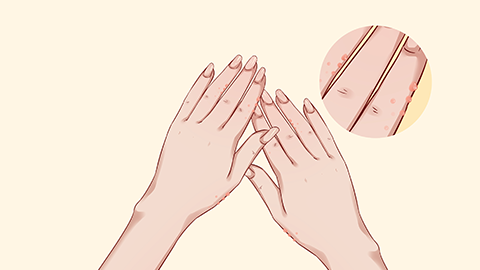
In daily life, eczema symptoms are quite common. Eczema is an intensely itchy inflammatory skin reaction triggered by various internal and external factors, posing risks to human health. So, can people with eczema eat mangoes?
Can people with eczema eat mangoes?
People with eczema should avoid eating mangoes. It is best to steer clear of foods that may trigger irritation or allergic reactions. Mangoes are among the fruits most likely to cause allergic reactions—primarily because their peel contains abundant urushiol-like substances, some of which can penetrate into the flesh and provoke allergic responses. Individuals with pre-existing allergic constitutions may develop red rashes, blisters around the mouth, on the tongue, or along the inner oral mucosa after consuming mangoes—or even experience generalized eczema. Therefore, mangoes should be strictly avoided during active eczema flare-ups. In addition to mangoes, other high-calorie foods and fruits such as durian, jackfruit, and lychee should also be avoided.
Pears, apples, and other “cooling” fruits may be consumed freely, as may melons and gourds. However, individuals with eczema should avoid chili peppers, alcohol, seafood, mangoes, and pineapples, as these foods possess relatively high allergenic potential. If you wish to eat eggs, ensure they are thoroughly cooked—soft-boiled or “runny-yolk” eggs must be avoided, as they are considered highly “heat-inducing” (in traditional Chinese medicine terms) and may exacerbate symptoms. Even commercially available yogurt and other acidic dairy products should be avoided, as they may also trigger allergic reactions.

Regarding vegetables, it is beneficial to consume vitamin C–rich fresh produce such as tomatoes and kiwifruit. Vitamin C helps suppress allergic reactions. We hope this information proves helpful. Wishing you good health and a joyful life!


