


Can people with eczema eat chicken?

Eczema is a common skin condition encountered in daily life. It is typically caused by fungal or bacterial infection. Dietary restrictions are important in managing eczema—so, can individuals with eczema eat chicken?
Can people with eczema eat chicken?
Individuals with eczema should avoid spicy foods (e.g., chili peppers) and seafood. All other foods—including chicken, fish, red meat, eggs, and milk—are generally permissible. Alcohol consumption should be avoided entirely. Daily intake of one bowl of mung bean soup or a porridge made from red beans and coix seed helps eliminate internal dampness and toxins. Topically, apply “Shi Du Qing” ointment to affected areas. Orally, take “Shi Du Qing” capsules as directed. Ensure adequate rest and avoid staying up late or overexertion.
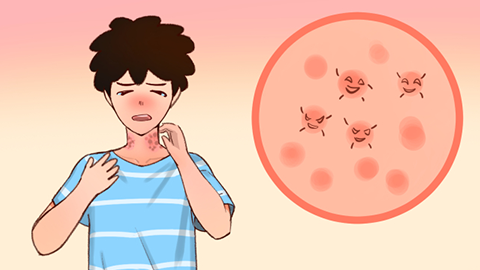
In addition to pharmacological treatment and daily lifestyle adjustments, skin protection is essential—avoid known allergens and irritants. For example, using an unsuitable body wash may trigger allergic contact dermatitis, which can manifest as eczema. Maintaining skin hydration and lubrication is also critical for preventing eczema recurrence. Environmental factors such as extreme cold or heat, as well as excessive dryness or humidity, can all act as skin irritants. In infants with eczema, the natural lipid barrier is underdeveloped; therefore, emollient creams are recommended to protect their delicate skin. After symptom resolution, anti-inflammatory medications may still be used prophylactically to prevent relapse.

Maintaining good personal hygiene is vital to prevent fungal or bacterial infections that may lead to skin conditions such as eczema or herpes—conditions that significantly impact daily life and overall health. We hope this information proves helpful to you!


