


Can skin allergies cause fever?

Skin allergy, clinically, is most notably characterized by the appearance of rashes—often accompanied by skin erythema (redness) and intense pruritus (itching), significantly impairing daily life. So, can skin allergy cause fever?
Can skin allergy cause fever?
Simple, uncomplicated skin allergy typically does not cause fever; symptoms are usually confined to the skin. However, if the allergic reaction results in skin breakdown or injury, secondary bacterial or viral infection may occur—and severe infection can lead to fever. Skin allergy is commonly triggered by multiple factors, including dietary allergens and infections, manifesting as erythema, edema, urticarial wheals, and pronounced itching—all limited to cutaneous manifestations. Fever generally does not occur unless the skin barrier is breached and infection develops.
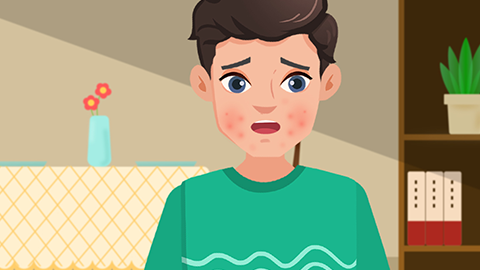
Some individuals perceive a sensation of warmth or “fever,” which is often attributable to localized capillary hyperemia induced by the allergic reaction—not true systemic fever. Even when fever does occur, it is typically caused by the underlying allergen or associated infectious agents—not directly by the allergic skin reaction itself. Nevertheless, fever may still arise secondarily due to skin allergy: when the skin sustains damage and its protective barrier is compromised, bacterial or viral invasion may follow. Severe infection can introduce pathogens into the bloodstream, potentially affecting the hypothalamic thermoregulatory center and triggering fever.

Individuals with skin allergy should consult a dermatologist for proper evaluation and actively cooperate with prescribed treatment. For example, oral antihistamines (e.g., cetirizine tablets) or topical applications (e.g., dragon’s blood extract) may be used to alleviate allergic symptoms, reduce pruritus, protect the skin, control disease progression, and prevent infection. Maintaining rigorous skin hygiene during treatment is essential. We hope this article has been helpful. Wishing you a joyful life and optimal health!


