


What should a pregnant woman do if she develops herpes sores at the corner of her mouth?

In daily life, pregnant women are more susceptible to oral herpes due to decreased resistance and immunity, which can adversely affect their daily activities and overall health. So, what should be done if a pregnant woman develops herpes at the corner of her mouth?
What to Do If a Pregnant Woman Develops Herpes at the Corner of the Mouth
Oral herpes in pregnant women is typically caused by the herpes simplex virus (HSV). HSV infection is generally self-limiting—symptoms usually resolve spontaneously within approximately one week. As antiviral medications may pose potential risks to the fetus, pharmacological treatment is generally not recommended during pregnancy. For cases with prominent vesicles, erosions, or dry, crusted lesions, topical erythropoietin may be applied to help prevent secondary infection, as it carries minimal risk to the fetus. However, ointments should be avoided if there is active exudation from the lesion. Instead, the affected area may be disinfected once or twice daily with povidone-iodine to prevent local infection. Over time, the rash will typically resolve on its own. HSV reactivation is relatively common during pregnancy but poses minimal risk to the fetus; therefore, excessive concern is unwarranted.
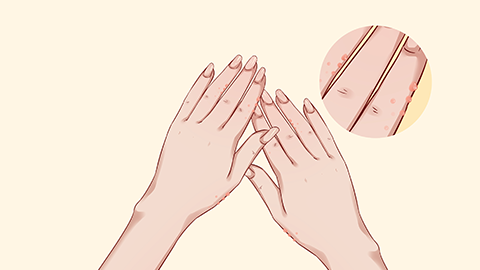
To minimize the risk of miscarriage or preterm labor, pregnant women should avoid sharing the same room during the first and third trimesters. Medications should be avoided whenever possible throughout pregnancy; if absolutely necessary, they must only be used under strict medical supervision. Moderate physical activity is encouraged to strengthen maternal constitution, while fatigue should be avoided and adequate rest ensured. During early pregnancy, a light, palatable diet may help alleviate nausea and other pregnancy-related symptoms. Folic acid supplementation is essential, and fresh fruits and vegetables should be consumed regularly to ensure adequate intake of vitamins and trace elements; smoking and alcohol consumption must be strictly avoided. In late pregnancy, nutritional support becomes especially critical: sufficient carbohydrates, sugars, and proteins should be consumed to meet fetal growth demands. Red meat, eggs, and milk are highly recommended to provide essential nutrients for optimal fetal development. Regular prenatal check-ups are strongly advised.
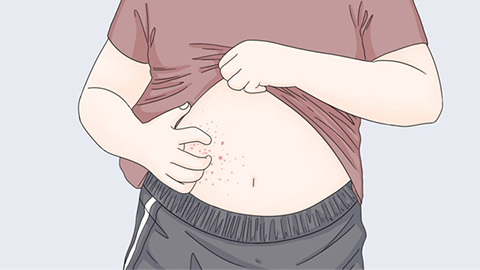
Maintaining good personal hygiene is essential in daily life to prevent fungal or bacterial infections that could trigger dermatological conditions such as eczema or herpes—conditions that impair both daily functioning and physical health. We hope this information proves helpful to you!


