


How to Treat Hand Eczema

In daily life, some individuals suffer from eczema—a condition that significantly impacts their everyday activities. Eczema is a non-infectious, inflammatory skin disorder—not a viral infection. Some people develop eczema on their hands. So, how is hand eczema treated?
How to Treat Hand Eczema
The management of hand eczema includes the following approaches: — Avoidance of triggers: Minimize exposure to irritants such as laundry detergents, cement, asphalt, and other chemical agents. — Medication selection based on severity and disease course: Topical corticosteroids are commonly used; the potency (high-, mid-, or low-potency) is chosen according to disease severity. — Treatment of hyperkeratosis: Keratolytic agents—such as salicylic acid or benzoic acid preparations—are applied first to remove thickened keratinized skin; topical corticosteroids are then applied afterward. — Maintenance moisturization: Emollients are essential. Commonly used options include urea-based ointments and other hand creams. — Antimicrobial therapy: If secondary bacterial infection occurs—e.g., presence of pustules—appropriate anti-infective treatment is required.

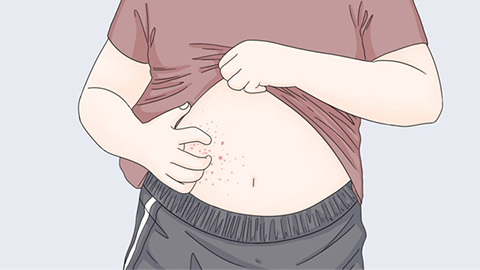
Eczema is a non-specific inflammatory skin disease affecting the epidermis. Its adverse effects include several aspects: First, it manifests as erythema, papules, exudation, erosion, and often intense pruritus. In severe cases, it disrupts sleep and impairs quality of life; repeated scratching may hinder social interactions. Second, post-inflammatory hyperpigmentation frequently develops at affected sites, potentially affecting appearance. Third, eczema tends to recur, imposing considerable psychological stress. Once diagnosed, eczema warrants prompt attention and timely intervention.
In daily life, maintain good hand hygiene and avoid contact with potential irritants or contaminants to prevent hand dermatoses. We hope this information proves helpful to you!


