


Can people with fatty liver disease eat fish?

Fish is rich in protein, which helps meet the body’s nutritional needs—however, intake should be moderated. So, can individuals with fatty liver disease eat fish?
Can individuals with fatty liver disease eat fish?
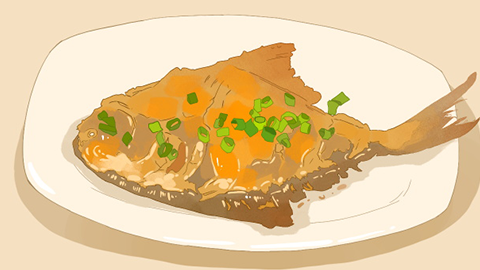
Yes, individuals with fatty liver disease may consume fish. Fatty liver results from excessive fat accumulation in the liver, often associated with heavy alcohol consumption. Fish is a low-fat, low-cholesterol, high-protein food—making it especially suitable for patients with fatty liver disease. The abundant protein in fish supports hepatocyte repair and exerts protective effects on the liver. Moreover, fish oil and unsaturated fatty acids found in fish help lower serum triglyceride levels and confer additional benefits to liver health. Fish is also flavorful, easily digestible, and well-absorbed. Importantly, patients with fatty liver disease must abstain from alcohol entirely. They should avoid raw, cold, spicy, or greasy foods, as well as high-sugar items—since excess sugar increases hepatic metabolic burden and hinders recovery.
Adequate protein intake helps clear excess fat from the liver. Patients should engage in regular, sustained physical activity tailored to their individual fitness level—for example, brisk walking, table tennis, or badminton. Exercise should begin gradually with low-intensity activities and progressively increase to an appropriate intensity and duration to enhance fat metabolism.

In daily life, patients should prioritize light, bland foods and ensure adequate vitamin intake—especially by consuming fresh fruits and vegetables and fiber-rich foods. Calorie intake should be controlled, and meals should be limited to approximately 70% fullness. Snacking and late-night eating should be avoided. We hope this information proves helpful!


