


Can people with high uric acid levels eat corn?

Elevated uric acid levels pose significant health risks and can trigger gout. If high uric acid is detected, appropriate measures should be taken to control its levels and prevent gout onset or acute gout attacks. There are numerous dietary restrictions to observe. So, can individuals with hyperuricemia consume corn?
Can individuals with elevated uric acid eat corn?
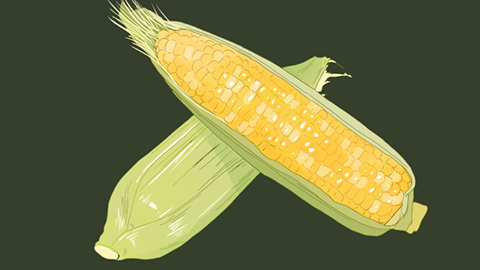
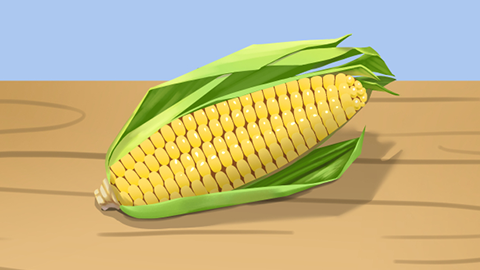
Generally, yes—individuals with hyperuricemia may safely consume corn. Hyperuricemia is primarily caused by impaired purine metabolism; thus, foods rich in purines—such as seafood—should be avoided. In contrast, corn is a coarse grain rich in dietary fiber, trace elements, and minerals, and contains relatively low levels of purines. Therefore, consuming corn typically does not adversely affect the condition. However, preparation methods matter: corn-based beverages (e.g., corn juice) or sweetened corn products (e.g., candied corn kernels) are not recommended. Boiled or steamed corn is the preferred option.
Individuals with hyperuricemia should drink ample water daily to promote purine excretion and alleviate symptoms. Alcohol—especially beer—and seafood should be strictly avoided to prevent disease progression. A balanced lifestyle incorporating adequate rest and moderate activity is essential. Fatigue and sudden exposure to cold may precipitate acute gout attacks; therefore, excessive fatigue and abrupt chilling should be avoided.
In cases of severe symptoms, prompt medical consultation is advised for targeted treatment. Self-medicating without professional guidance must be avoided to prevent adverse outcomes. We hope this information proves helpful. Wishing you good health and a joyful life!


