


What Causes Nasal Congestion After Drinking Alcohol?

Many people experience nasal congestion after drinking alcohol in daily life. If symptoms are not promptly relieved, there may be concerns about more serious harm to the body. Understanding the underlying condition is essential for effective prevention and treatment. So, what causes nasal congestion after drinking alcohol?
What Causes Nasal Congestion After Drinking Alcohol?
Alcohol irritates the blood vessels in the nasal mucosa, causing them to dilate. This leads to swelling of the nasal mucosa and turbinates, resulting in varying degrees of nasal congestion. As alcohol is gradually metabolized in the body, the congestion typically subsides on its own. This is a relatively common and benign phenomenon requiring no specific pharmacological intervention. However, repeated long-term exposure to alcohol can cause persistent swelling of the nasal mucosa that does not resolve easily, potentially leading to turbinate hypertrophy. In such cases, nasal congestion may persist for extended periods and mimic changes seen in chronic rhinitis. Under these circumstances, treatment with intranasal corticosteroid sprays or similar medications may be appropriate.
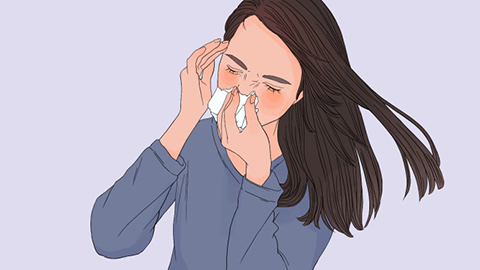
Nasal congestion following alcohol consumption can be alleviated using warm compresses. Warm compresses promote local blood circulation and help relieve nasal congestion. Additionally, intranasal corticosteroid sprays may be used under medical supervision.
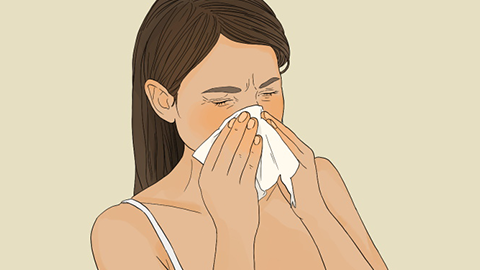
In daily life, avoid spicy and irritating foods, drink plenty of water to support metabolism, and engage in moderate outdoor exercise to strengthen immunity. We hope this information is helpful to you!


