


Can individuals with fatty liver disease drink plain milk?

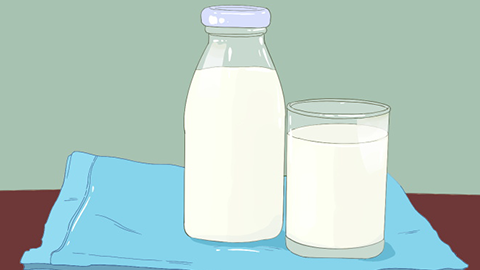
Pure milk—without added fruit juice, nuts, or other ingredients—refers to raw milk obtained directly from dairy cows and then pasteurized with only minimal additives. Pure milk is a shelf-stable (room-temperature) product, processed via ultra-high-temperature (UHT) sterilization, enabling storage at ambient temperature. So, can individuals with fatty liver disease consume pure milk?
Can individuals with fatty liver disease drink pure milk?
Yes, individuals with fatty liver disease may consume milk. Fatty liver disease is broadly categorized into alcoholic fatty liver disease (AFLD) and non-alcoholic fatty liver disease (NAFLD). AFLD results from excessive alcohol consumption; thus, alcohol must be strictly avoided, but milk remains permissible. Milk is rich in high-quality protein, calcium, vitamins, minerals, and all essential amino acids. It supports hepatocyte repair and regeneration while supplying necessary energy without imposing additional metabolic burden on the liver—thereby aiding recovery from fatty liver disease. NAFLD is associated with excessive caloric intake, high dietary fat, and obesity. In such cases, simply reducing consumption of greasy, fatty meats, engaging in regular physical activity, and maintaining a healthy weight are generally sufficient.
To prevent fatty liver disease, one should adopt sound lifestyle habits: maintain a balanced diet incorporating both coarse and refined grains; increase intake of high-protein foods (e.g., freshwater shrimp, fish), vitamin-rich fresh vegetables and fruits, and low-fat foods—especially limiting total fat and animal fat intake; and follow a low-sugar diet by minimizing consumption of sugary foods.

Maintain emotional well-being. The liver is closely linked to emotional health; prolonged sadness or depression may exacerbate liver damage. We hope this information proves helpful!


