


What Causes Bloodshot Eyes After Drinking Alcohol?
May 19, 2022
Source: Cainiu Health

Dr. Chen You
Introduction
Alcohol consumption causes systemic vasodilation; thus, the blood vessels around the eyes dilate, leading to ocular congestion. Typically, the eyes return to normal by the following morning. However, in some individuals, excessive alcohol intake may result in noticeable subconjunctival hemorrhages appearing the next day. Subconjunctival hemorrhage—caused by rupture of small conjunctival vessels—is generally considered harmless to vision and is usually absorbed gradually over 1–2 weeks.
Many people experience eye redness after drinking alcohol in daily life. If symptoms are not promptly alleviated, there may be concerns about more serious harm to the body. Understanding the underlying condition is essential for effective prevention and treatment. So, what causes eye redness after drinking alcohol?
What Causes Eye Redness After Drinking Alcohol?
Alcohol causes systemic vasodilation; thus, blood vessels around the eyes dilate, leading to conjunctival redness (bloodshot eyes). Typically, the eyes return to normal by the following morning. However, some individuals may notice visible subconjunctival hemorrhages the next day after excessive alcohol consumption. Subconjunctival hemorrhage—caused by rupture of small conjunctival blood vessels—is generally considered harmless to vision and usually resolves spontaneously within one to two weeks as the blood is gradually reabsorbed. Therefore, if any ocular abnormalities occur, it is advisable to consult an ophthalmologist at a hospital outpatient clinic.
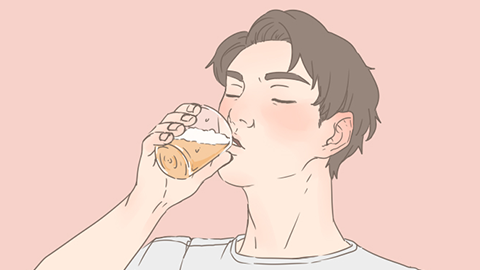
After drinking, patients should be mindful that alcohol irritates the gastric mucosa. During this time, avoid foods that further irritate the stomach lining; instead, opt primarily for bland, carbohydrate-rich meals. Strong coffee, strong tea, and spicy or irritating foods may exacerbate gastric mucosal injury. Additionally, antibiotics and nonsteroidal anti-inflammatory drugs (NSAIDs) should be avoided. Alcohol–antibiotic interactions can cause altered mental status, while certain NSAIDs may worsen gastric mucosal damage, potentially triggering acute erosive hemorrhagic gastritis—or even gastrointestinal bleeding.
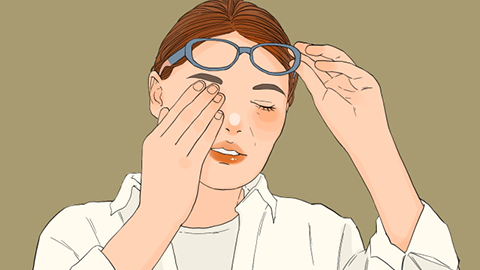
In daily life, avoid spicy and irritating foods, drink plenty of water to promote metabolism, and engage in moderate outdoor exercise to strengthen immunity. We hope this information proves helpful!


