


Can people with high uric acid levels eat red dates (jujubes)?

Elevated uric acid levels are highly dangerous, so you should consume more uric acid–lowering foods daily to protect your health. Can individuals with hyperuricemia eat red dates (jujubes)?
Can individuals with hyperuricemia eat red dates (jujubes)?
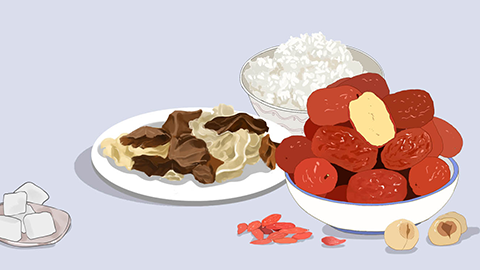
Patients with hyperuricemia may consume jujubes. The primary dietary restriction for such patients is high-purine food; however, jujubes are not high in purines—in fact, they fall into the low-to-moderate purine category. Therefore, individuals with elevated uric acid levels may safely consume jujubes. Serum uric acid concentration is primarily influenced by two factors: production and excretion. Frequent intake of high-purine foods increases uric acid production, whereas impaired renal function reduces uric acid excretion. Both mechanisms can lead to hyperuricemia. Hyperuricemia has well-documented adverse effects on kidney function. When hyperuricemia is diagnosed, patients should be advised to strictly avoid high-purine foods. Since jujubes belong to the low-to-moderate purine group, they are suitable for consumption by individuals with elevated uric acid levels.

If patients concurrently have hypertension, diabetes, hyperlipidemia, or other comorbidities, these conditions require active management. Patients should also increase their daily fluid intake appropriately—ideally maintaining a volume of 2,000–2,500 mL/day, adjusted according to body weight. If serum uric acid exceeds 500 µmol/L, pharmacologic uric acid–lowering therapy—such as uricosuric agents or xanthine oxidase inhibitors—should be initiated under physician supervision to maintain uric acid within an appropriate target range.
Individuals with hyperuricemia are advised to drink clear soups regularly. Strong tea should be avoided. Additionally, cultivating the habit of regular health check-ups is strongly recommended to facilitate early detection and timely intervention for any abnormalities. We hope this information proves helpful!


