


Why Do Eyes Turn Red After Drinking Alcohol?
May 19, 2022
Source: Cainiu Health

Dr. Chen You
Introduction
Alcohol causes vasodilation throughout the body. Redness of the eyes after drinking is primarily due to dilation and congestion of the capillaries on the eye’s surface. In addition to eye redness, capillaries in the skin also dilate, which is why facial flushing sometimes occurs. If there is pre-existing inflammation on the eye’s surface—such as acute conjunctivitis or iridocyclitis—alcohol consumption can exacerbate these conditions, making ocular congestion and redness more pronounced.
Many people experience red eyes after drinking alcohol in daily life. If symptoms are not promptly alleviated, there is concern that this may cause more serious harm to the body. Understanding the underlying condition is essential for effective prevention and treatment. So, what causes red eyes after drinking alcohol?
What Causes Red Eyes After Drinking Alcohol?
Alcohol causes systemic vasodilation—that is, it dilates blood vessels throughout the body. Redness of the eyes after drinking occurs primarily due to dilation and congestion of the capillaries on the eye’s surface. In addition to eye redness, capillaries in the skin also dilate, which is why facial flushing sometimes occurs. If pre-existing ocular inflammation is present—such as acute conjunctivitis, keratitis, or iridocyclitis—alcohol consumption can exacerbate these conditions, resulting in more pronounced eye congestion and redness.
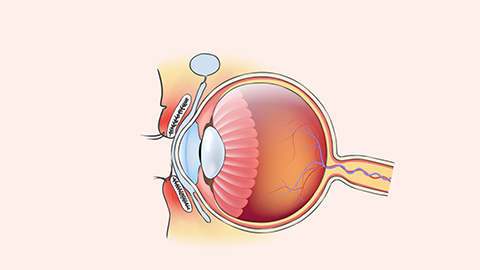
In some individuals, alcohol-induced capillary dilation may trigger vomiting. In such cases, besides ocular congestion, small conjunctival blood vessels may rupture, leading to subconjunctival hemorrhage—visible as bright red patches of bleeding. Under these circumstances, it is crucial to avoid excessive alcohol intake. If the hemorrhage is mild, it typically resolves spontaneously within several days. Larger hemorrhages may take longer to absorb. Additionally, patients should be mindful of alcohol’s irritating effect on the gastric mucosa after drinking; therefore, they should avoid foods that further irritate the stomach lining and instead opt for bland, carbohydrate-rich meals. Strong coffee, strong tea, and spicy foods may cause additional damage to the gastric mucosa.
In daily life, avoid spicy and irritating foods, drink plenty of water to promote metabolism, and engage in moderate outdoor exercise to enhance immunity. We hope this information is helpful to you!


