


What is the normal range for fatty liver?

The most commonly used diagnostic test for patients with fatty liver disease is liver function testing, which reflects whether hepatic inflammation is present. So, what constitutes a normal value for fatty liver?
What Are the Normal Values for Fatty Liver?
Fatty liver is assessed using transient elastography (e.g., FibroScan®). The hepatic fat attenuation index (CAP) is interpreted as follows: - <240 dB/m: normal - 240–280 dB/m: mild fatty liver - 280–320 dB/m: moderate fatty liver - >320 dB/m: severe fatty liver To evaluate whether fatty liver has progressed to hepatic fibrosis or cirrhosis, liver stiffness measurement (LSM) must be performed: - 2.8–7.0 kPa: normal - 7.0–9.5 kPa: possible hepatic fibrosis - 9.5–12.5 kPa: likely advanced fibrosis - >12.5 kPa: suggestive of cirrhosis On computed tomography (CT), fatty liver is diagnosed by comparing the CT attenuation value of the liver to that of the spleen. A liver-to-spleen CT attenuation ratio of: - 0.7–1.0 indicates mild fatty liver - 0.5–0.7 indicates moderate fatty liver - <0.5 indicates severe fatty liver
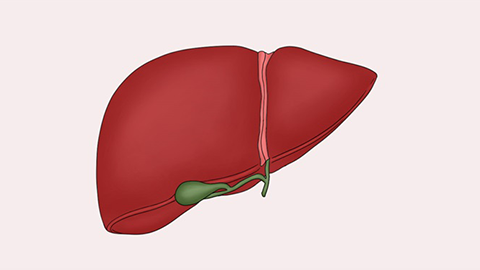
Fatty liver commonly occurs in individuals with elevated body mass index (BMI), long-term high-fat and high-calorie diets, or chronic heavy alcohol consumption. In liver function tests, serum aminotransferase levels—including alanine aminotransferase (ALT)—are often elevated. Patients should abstain from alcohol, minimize intake of greasy foods, increase daily physical activity, and—especially if overweight—aim for weight loss.

To confirm a diagnosis of fatty liver and initiate appropriate management, patients must consult a physician and follow prescribed hepatoprotective medications. Additionally, we recommend adopting a light, balanced diet and complete abstinence from alcohol. We hope this information is helpful to you!


