


What Are the Symptoms of Neurological Tinnitus?
May 20, 2022
Source: Cainiu Health

Dr. Pan Yongyuan
Introduction
Some symptoms of neural tinnitus: perceiving monotonous or complex sounds within the ear, such as cicada-like chirping or hissing. In fact, it is unnecessary to distinguish whether tinnitus is neural, conductive, or mixed in origin; tinnitus itself manifests in diverse forms and various sound qualities—such as humming, mechanical noises, high-pitched cicada-like sounds, or the sound of flowing water.
With the evolution of our society, numerous chronic diseases have become increasingly prevalent. Today, many individuals experience tinnitus—a condition characterized by the perception of sound in the absence of an external source—and tinnitus itself manifests in various forms. So, what are the symptoms of neural (sensorineural) tinnitus?
Symptoms of Neural Tinnitus
Common symptoms of neural tinnitus include perceiving sounds within the ear—such as chirping (like cicadas), buzzing, or hissing—either as a single monotone or as a mixture of different noises. In fact, distinguishing tinnitus as “neural,” “conductive,” or “mixed” is often unnecessary for symptom identification alone, since tinnitus itself presents with a wide variety of sounds: buzzing, mechanical whirring, high-pitched cicada-like tones, or even sounds resembling flowing water. Some tinnitus may be linked to vascular pulsations or muscle contractions, while other cases may correlate with respiratory rhythm—for instance, tinnitus may cease when breathing pauses.
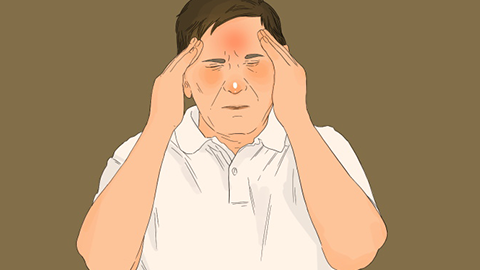
For some patients, tinnitus can be profoundly distressing: although it may go unnoticed during the day, it often becomes markedly louder at night in quiet environments—especially when attempting to sleep—thereby severely impairing quality of life and necessitating prompt evaluation and treatment. Subjective tinnitus—the most common type—is defined by the perception of sound in the absence of any external acoustic stimulus. Its prevalence ranges from 10% to 15% in the general population and rises to 26% among adults. While some individuals gradually adapt to their tinnitus, others experience significant functional and emotional impact.
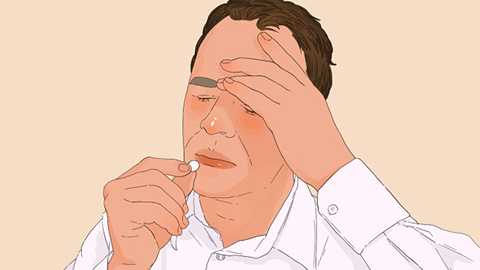
Neural tinnitus may arise from multiple causes, including abnormal blood supply to the inner ear, chronic sleep deprivation or excessive fatigue—particularly among younger individuals—or prolonged exposure to noisy environments. We hope this information proves helpful!


