


How long after drinking alcohol can I breastfeed?

The lactation period refers to the time after childbirth during which a mother feeds her baby with her own breast milk—i.e., from the initiation of breastfeeding postpartum until its cessation. This period typically lasts about 6–12 months. So, how long after drinking alcohol during lactation can a mother safely resume breastfeeding?
How long after drinking alcohol during lactation can a mother breastfeed?
The amount of alcohol consumed and the mother’s individual capacity to metabolize alcohol determine safety. Generally, after approximately five half-lives, about 60–90% or more of the alcohol is eliminated from the body—effectively clearing it. Since the half-life of alcohol in most adults is roughly 6 hours, five half-lives equate to approximately 30 hours; thus, alcohol is largely eliminated after at least 24 hours. If only a small amount of alcohol was consumed and no intoxication occurred, breastfeeding may resume after 24 hours. However, mothers who have consumed alcohol should increase their fluid intake to maintain adequate urine output, thereby promoting alcohol metabolism. Importantly, alcohol consumption is not recommended during lactation.
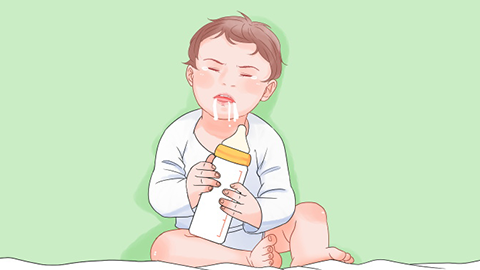
Additionally, alcohol metabolism during lactation varies among individuals. Some mothers possess strong hepatic detoxification capacity and rapidly clear alcohol, whereas others experience prolonged effects—even after minimal intake—and may still have detectable alcohol levels the following day. Therefore, after consuming alcohol, mothers should wait until morning, then use an alcohol breathalyzer to confirm the absence of alcohol before breastfeeding, while continuing to drink ample water to support alcohol metabolism.

During lactation, mothers should avoid raw, cold, spicy, or otherwise irritating foods—especially if the infant has poor gastrointestinal digestion, in which case such foods should be strictly avoided. Furthermore, mothers must not take medications indiscriminately while breastfeeding. Before taking any medication, carefully read the package insert or consult a healthcare provider for guidance. We hope this information is helpful!


