


Can people with high uric acid levels eat beef?

Everyone knows that beef is a highly nutritious and health-promoting food, primarily due to its high protein content, which supports bodily nourishment and repair. Additionally, beef is relatively low in fat, making regular consumption beneficial for overall health. But can individuals with elevated uric acid levels eat beef?
Can individuals with high uric acid consume beef?
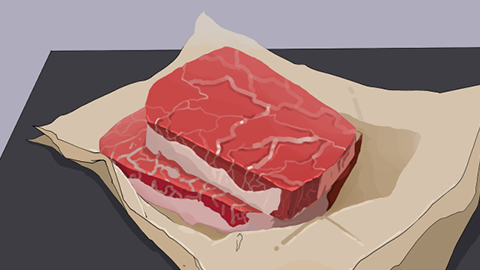
Individuals with hyperuricemia may consume small amounts of beef. Beef contains a moderate level of purines—not classified as a high-purine food—so it may be consumed in moderation by those with elevated uric acid levels. However, patients with hyperuricemia should strictly avoid organ meats (e.g., liver, kidneys), shellfish (e.g., oysters, crabs), and certain fish (e.g., anchovies, sardines). These foods are rich in purines and may trigger gout attacks. Hyperuricemia is a major contributing factor to gout; therefore, affected individuals must carefully manage their diet and avoid high-purine foods.

Prolonged elevation of uric acid levels increases the risk of developing gout. Therefore, individuals with hyperuricemia should maintain regular, balanced eating habits and strictly limit intake of purine-rich foods. Such foods include animal brains and organ meats, poultry (e.g., chicken, duck, pigeon), and most types of fish. Moderately high-purine foods include beef, pork, lamb, rabbit, ham, sausages, and bone marrow.
A predominantly plant-based, whole-food diet is recommended. Avoid animal fats and cooking oils such as sesame oil, peanut oil, corn oil, rice bran oil, wheat germ oil, sunflower oil, soybean oil, and rapeseed oil. Increase fluid intake—especially water—and consume ample vegetables and fruits rich in vitamins, minerals, and dietary fiber. Aim for a daily urine output exceeding 2,000 mL to help flush excess uric acid and associated urate crystals from the body. We hope this article has been helpful. Wishing you a joyful life and optimal health!


