


Can people with high uric acid levels eat eggplant?

Elevated uric acid levels are a relatively common condition in daily life. Typically, they cause minimal symptoms, and patients often only become aware of the issue when related symptoms—such as gout—appear. At that point, the condition can significantly disrupt daily life and impair learning or work performance. So, can individuals with high uric acid levels eat eggplant?
Can individuals with high uric acid levels eat eggplant?
Yes, individuals with elevated uric acid levels may safely consume eggplant, as it is not a high-purine food. Uric acid is a metabolic byproduct of purines; therefore, managing hyperuricemia primarily involves limiting intake of high-purine foods—such as organ meats, seafood, and certain meats (e.g., pork, beef, and lamb). In contrast, vegetables like eggplant are highly suitable for individuals with hyperuricemia. Patients are encouraged to consume ample fresh vegetables and fruits daily. Additionally, drinking plenty of water helps promote uric acid excretion, and maintaining a healthy body weight is essential.
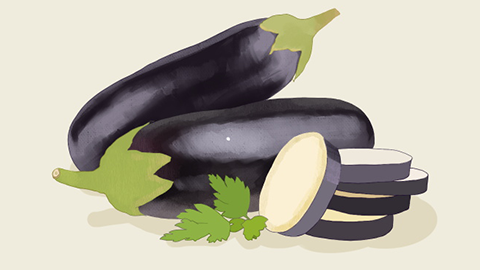
Moreover, eggplant exhibits adsorptive properties within the gastrointestinal tract and helps accelerate intestinal motility. Its consumption may also support uric acid metabolism. Thus, eggplant is safe and beneficial for individuals with hyperuricemia. Beyond eggplant, patients are advised to include other high-fiber vegetables in their diet. Adequate daily fluid intake remains crucial to facilitate uric acid elimination.
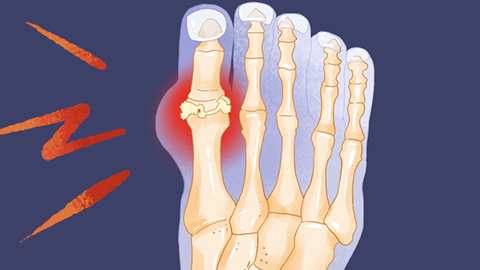
Additionally, individuals experiencing symptoms should promptly seek medical evaluation at a hospital and follow their physician’s guidance for appropriate management. We hope this information proves helpful!


