


What does elevated serum uric acid mean?

With the improvement of people’s living standards, the incidence of hyperuricemia has been increasing annually. Hyperuricemia is defined as serum uric acid levels exceeding 416 μmol/L in men and 357 μmol/L in women. So, what causes elevated serum uric acid?
What Causes Elevated Serum Uric Acid?
Elevated serum uric acid primarily results from either increased uric acid production or decreased uric acid excretion—or sometimes both concurrently.
Increased uric acid production: This mainly stems from high-purine diets and enhanced endogenous purine metabolism. Dietary uric acid generation correlates directly with dietary purine content. Foods particularly rich in purines include animal liver and kidneys, anchovies, and similar seafood. Increased endogenous purine metabolism is primarily associated with factors such as heightened purine synthesis and accelerated purine degradation.
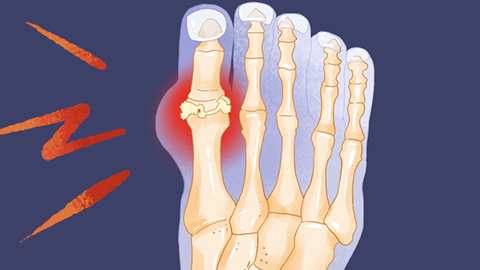
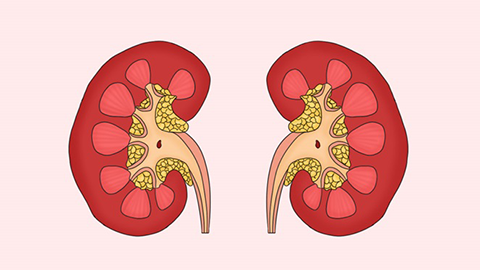
Decreased uric acid excretion: Approximately two-thirds of uric acid is excreted via the kidneys, while the remaining one-third is eliminated through extrarenal pathways—including the gastrointestinal tract and biliary system. About 90% of patients with persistent hyperuricemia exhibit renal impairment in uric acid handling, manifesting as reduced uric acid excretion. This may involve decreased glomerular filtration rate, increased tubular reabsorption, diminished tubular secretion, or deposition of urate crystals. The precise underlying cause of elevated serum uric acid must be determined by integrating the patient’s clinical history with relevant diagnostic tests.
The saturation concentration of uric acid in the human body at 37°C is approximately 420 μmol/L (7 mg/dL); exceeding this threshold leads to hyperuricemia. If elevated uric acid levels are detected in daily life, timely medical evaluation and treatment are essential. We hope this article has been helpful to you. Wishing you a joyful life and good health!


