


Can people with high uric acid levels eat chicken or duck meat?

Elevated uric acid is a metabolic condition primarily caused by excessive dietary intake of purine-rich foods. Individuals with hyperuricemia should adjust their diet appropriately. But can they consume chicken or duck meat?
Can individuals with elevated uric acid eat chicken or duck meat?
Individuals with elevated uric acid may consume chicken and duck meat in moderation, but should avoid chicken skin, duck skin, and broths made from chicken or duck. Reducing purine intake is essential for managing hyperuricemia. Common high-purine foods include animal offal such as pork liver and chicken liver, as well as large intestine. Among meats, red meats—including pork, beef, and lamb—contain relatively higher purine levels, whereas poultry (e.g., chicken and duck) are classified as white meats and contain lower purine levels. However, certain seafood—including squid and scallops—is notably high in purines. Additionally, individuals with hyperuricemia should strictly avoid alcoholic beverages, particularly beer and spirits (e.g., baijiu), and also limit wine consumption. It is recommended that patients with hyperuricemia increase their daily fluid intake to over 2,000 mL.
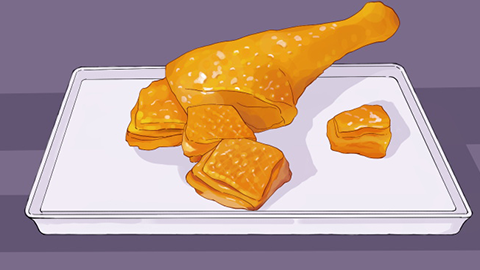
Patients with hyperuricemia should avoid high-purine foods. Although chicken and duck meat are considered moderate- to high-purine foods, excessive consumption may elevate serum uric acid levels beyond the kidney’s capacity for metabolism and excretion. Therefore, individuals with hyperuricemia should consume chicken and duck meat only in moderation.

Clinically, patients with hyperuricemia are advised to prioritize low-purine foods, including eggs, dairy products (e.g., milk and powdered milk), vegetables, and fruits. A balanced diet emphasizing low-purine options helps ensure comprehensive nutritional intake while supporting reduction of serum uric acid levels. We hope this article has been helpful. Wishing you a joyful life and good health!


