


Can fatty liver disease cause elevated uric acid levels?

Fatty liver disease is a metabolic liver disorder occurring in the liver, most commonly resulting from unhealthy lifestyle habits. So, can fatty liver disease cause elevated uric acid levels?
Can fatty liver disease cause elevated uric acid?
Fatty liver disease is a pathological condition characterized by excessive accumulation of fat within hepatocytes, caused by multiple factors. Uric acid elevation—primarily associated with hyperuricemia—can lead to gout, causing joint pain and potentially forming tophi. Generally speaking, fatty liver disease does not directly cause increased uric acid levels, as the two conditions involve entirely distinct metabolic pathways. However, both fatty liver disease and hyperuricemia are components of metabolic syndrome and share common underlying risk factors. Specifically, excessive nutritional intake—particularly diets high in fat, protein, and sugar—leads to accumulation of these substances in the body. Consequently, patients diagnosed with fatty liver disease often concurrently present with hyperuricemia; however, this co-occurrence reflects shared etiological factors rather than a causal relationship. Since their metabolic pathways differ, fatty liver disease itself does not induce uric acid elevation.
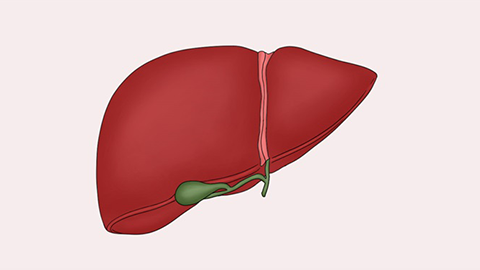
Fatty liver disease typically arises from chronic overconsumption of energy exceeding the body’s requirements, resulting in excessive fat deposition and subsequent chronic hepatic inflammation. Active management involves dietary control, lifestyle modification, regular physical activity, and weight management. With appropriate intervention, most patients can achieve effective disease control. When indicated, hepatoprotective medications—such as polyenylphosphatidylcholine or compound glycyrrhizin—may be considered to support impaired liver function.
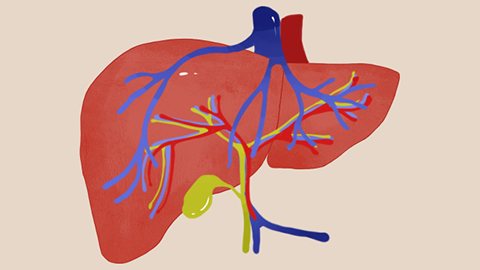
Elevated uric acid increases the risk of gout, which can have serious consequences; however, fatty liver disease does not cause hyperuricemia. It is essential to clearly distinguish between association and causation. We hope this explanation has been helpful!


