


Can people with gout eat chicken feet?

Chicken feet are a commonly consumed food in daily life and are highly nutritious, rich in collagen protein, which helps soften blood vessels and promotes skin health. Individuals with gout may also wish to consume chicken feet. But can people with gout eat chicken feet?
Can people with gout eat chicken feet?
During acute gouty arthritis flare-ups, patients should avoid eating chicken feet, as well as greasy or fried foods. Instead, they should opt for low-salt, low-fat, and low-sugar foods. Excessive consumption of chicken feet may exacerbate the condition.

Gout is a metabolic disorder caused by abnormal purine metabolism, resulting in elevated serum uric acid levels. In daily life, individuals with gout must practice dietary moderation—avoiding overeating and binge eating—and strictly abstain from alcohol. They should avoid high-purine foods, increase intake of alkaline foods and beverages, drink plenty of water to promote uric acid excretion, and may moderately consume weak tea or sodium bicarbonate (baking soda) water. Overweight or obese individuals must control their weight to reduce disease burden. Additionally, appropriate pharmacological treatment is essential to actively prevent complications and lower uric acid levels. Gout is a multifactorial disease triggered by hyperuricemia. Once diagnosed, targeted treatment is required, alongside dietary adjustments. With proper management, gout is controllable.
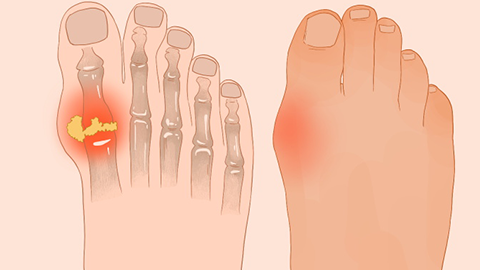
Furthermore, if symptoms appear, prompt medical evaluation at a hospital is recommended, followed by appropriate management under a physician’s guidance. We hope this information is helpful to you!


