


Crown-rump length (CRL) normal value at 12 weeks of gestation

During each prenatal visit, expectant mothers are most concerned about whether their baby’s developmental measurements fall within the normal range. Every time I see that the measurements are within the expected parameters, I feel a wave of relief. During pregnancy, a woman’s attention is fully focused on her baby. Whether these measurements meet the expected standards reflects the baby’s health status inside the mother’s uterus. So, what is the normal crown-rump length (CRL) at 12 weeks of gestation?
Normal Crown-Rump Length (CRL) at 12 Weeks of Gestation
At 12 weeks of gestation, the normal crown-rump length is approximately 53 mm. However, fetal growth rates may vary among individuals—even at the same gestational age—resulting in some natural variation in developmental measurements. The crown-rump length refers to the longest straight-line measurement from the top of the fetal head (crown) to the buttocks (rump), and serves as a primary indicator for evaluating early fetal somatic development and assessing whether fetal size corresponds appropriately with gestational age.
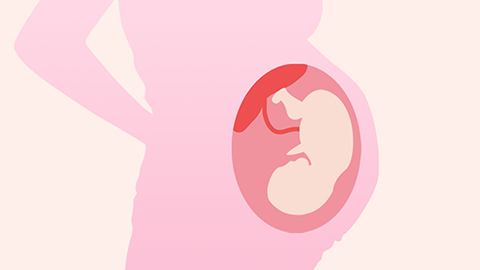
Note: By the 12th week of pregnancy, the fetus’s major organs have formed and are undergoing active development. During this critical period, exposure to toxic, hazardous, or radioactive substances must be strictly avoided. Throughout pregnancy, balanced and comprehensive maternal nutrition forms the foundation for healthy fetal development. Expectant mothers should maintain a rational diet, striving for dietary diversity. Prolonged physical fatigue during pregnancy may also adversely affect fetal development; therefore, pregnant women should balance work and rest and ensure adequate sleep.

Regular prenatal check-ups at a healthcare facility are essential during pregnancy to continuously monitor fetal development and promptly identify any potential complications. We hope this information has been helpful to you! Wishing you good health and happiness!


