


Can gout be treated with ice packs?

Some gout patients experience excruciating pain during gout attacks and may consider applying ice packs to alleviate the discomfort. So, can ice be used to treat gout?
Can ice be applied for gout?
During the acute phase of gouty arthritis, when joints exhibit obvious redness, swelling, warmth, and tenderness, applying ice packs may help reduce joint pain to some extent. Additionally, bedridden patients should ensure adequate rest. However, the most critical step is prompt administration of anti-inflammatory and analgesic medications. Research shows that initiating anti-inflammatory and analgesic therapy within 24 hours of symptom onset yields optimal results, enabling rapid pain relief. Delaying treatment until 72 hours after symptom onset significantly diminishes therapeutic efficacy.
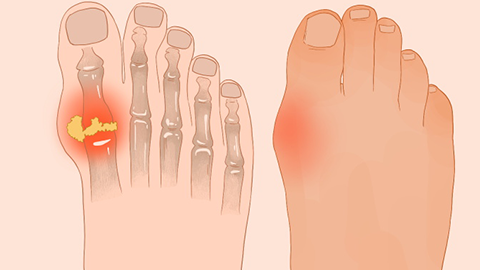
Gout management should not rely solely on pain relievers administered only during symptomatic flares. During intercritical periods—i.e., between acute attacks—patients require ongoing pharmacologic therapy to maintain serum uric acid levels stably below 360 µmol/L. This helps prevent recurrent gouty arthritis and progression to chronic gout. Gout treatment is inherently comprehensive and extends beyond medication alone. Patients must adhere to a low-purine diet, avoid alcohol consumption, engage in regular physical activity, increase daily water intake, and maintain a healthy weight.

Furthermore, individuals experiencing gout symptoms should seek timely medical evaluation at a hospital and follow their physician’s guidance for appropriate management. We hope this information proves helpful!


