


What is the normal size range for an anteverted uterus?
May 22, 2022
Source: Cainiu Health

Dr. Lv Aiming
Introduction
In the non-pregnant state, ultrasound measurements of the uterus typically assess three orthogonal diameters: length, width, and thickness. The normal dimensions are approximately 2–3 cm (thickness), 4–5 cm (width), and 7–9 cm (length). Thus, the normal size range of the non-pregnant uterus is 2–3 cm × 4–5 cm × 7–9 cm. The uterine cavity volume is generally about 5 mL in the non-pregnant state, reflecting a relatively small uterine size.
In daily life, women pay close attention to every part of their bodies. As the saying goes, “the uterus is a woman’s second face.” So, what is the normal size range for an anteverted uterus?
What Is the Normal Size Range for an Anteverted Uterus?
In the non-pregnant state, ultrasound measurements typically assess three main uterine diameters: length, width, and thickness. The normal ranges are as follows: thickness—2–3 cm; width—4–5 cm; and length—7–9 cm. Thus, the normal uterine dimensions are approximately 2–3 cm (thickness), 4–5 cm (width), and 7–9 cm (length). The normal uterine cavity volume in non-pregnant women is about 5 mL, reflecting a relatively small uterine size. Based on its shape and dimensions, clinicians can make a preliminary assessment of whether the uterus is anatomically normal or if gynecological pathology may be present. For example, measurements exceeding the upper limits of these normal ranges—particularly when combined with clinical symptoms such as menorrhagia, shortened menstrual cycles, or dysmenorrhea—may suggest conditions like uterine leiomyomas (fibroids) or adenomyosis.
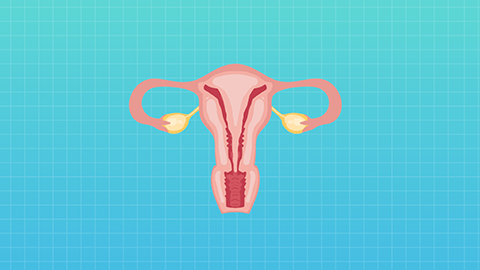
If the uterine diameters and overall size fall within normal limits, the uterine cavity is appropriately sized, and the endometrial thickness is normal, then ultrasound evaluation confirms a structurally normal uterus. When accompanied by regular menstrual cycles and confirmed ovulation, this constitutes a normal physiological state.
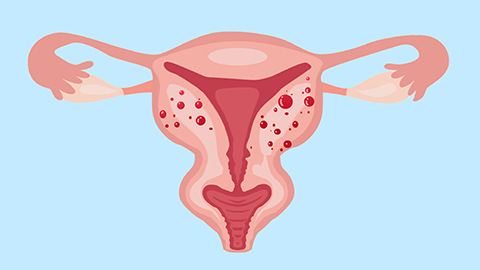
Monitoring uterine size—either via ultrasound measurement of uterine diameters or through manual pelvic examination by a gynecologist—can aid in diagnosing associated gynecological disorders. We hope this information has been helpful!


