


What is the normal range for respiration (resp)?

In daily life, virtually every aspect has a defined standard quantitative range. On patient monitors or ventilators, “RESP” stands for respiratory rate. So, what is the normal range for RESP?
What is the normal RESP range?
RESP refers to the number of breaths a person takes per minute, typically ranging from 15 to 20 breaths per minute. However, respiratory rate varies depending on age, physical condition, and sex. Generally, females breathe 1–2 breaths per minute more than males, while children average about 20 breaths per minute. Regular physical exercise and strengthening overall health are recommended.
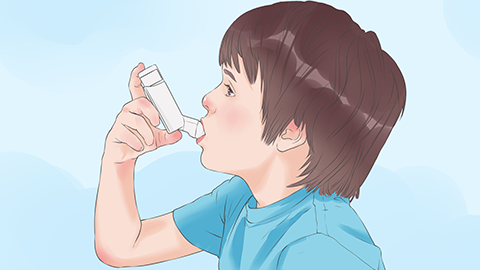
In daily life, there is no need to worry excessively about your exact respiratory rate per minute, as it naturally varies with age, sex, and physiological status. In healthy, resting adults, the normal respiratory rate is approximately 12–20 breaths per minute; in children, it averages around 20 breaths per minute. Generally, females tend to have a respiratory rate 1–2 breaths per minute higher than males. This parameter serves as an important clinical indicator for physicians during diagnosis.
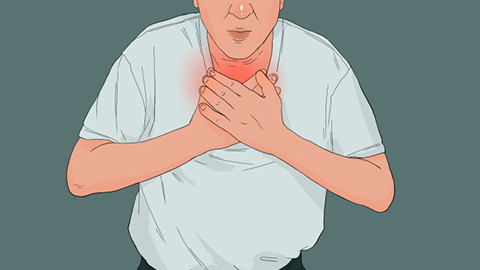
Abnormal respiratory rates commonly manifest as either bradypnea (abnormally slow breathing) or tachypnea (abnormally rapid breathing). Bradypnea is defined as a respiratory rate below 12 breaths per minute and is often caused by excessive administration of anesthetics or sedatives leading to elevated intracranial pressure. Tachypnea—defined as a respiratory rate exceeding 20 breaths per minute—is frequently associated with conditions such as fever, anemia, pain, hyperthyroidism, or heart failure. Additionally, for every 1°C rise in body temperature, respiratory rate typically increases by approximately 4 breaths per minute. We hope this article has been helpful. Wishing you a joyful life and good health!


