


How is hepatitis B transmitted?

Many people have heard of hepatitis B, a contagious disease. So, how is hepatitis B transmitted?
Routes of Hepatitis B Transmission
Hepatitis B is transmitted primarily through blood and sexual contact. The blood and bodily fluids of all infected individuals contain the hepatitis B virus (HBV) and may therefore transmit the infection. However, the virus must enter the bloodstream directly to cause infection. For example, shaking hands with a person who has hepatitis B—even if their sweat contains the virus—will not lead to infection if your skin is intact. However, if you have an open wound or cut on your hand and shake hands with an infected person, there is a risk that the virus present in their sweat could enter your bloodstream and cause infection.
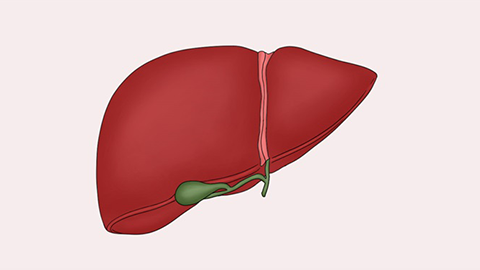
In China, the most common route of HBV transmission is mother-to-child (vertical) transmission. This occurs when a pregnant woman carries HBV in her blood, and during childbirth, the virus enters the newborn’s bloodstream through breaks or wounds in the infant’s skin. Hepatitis B can also be transmitted to sexual partners through unprotected sexual intercourse. Importantly, HBV is not transmitted via the gastrointestinal tract—sharing meals poses no risk of infection.
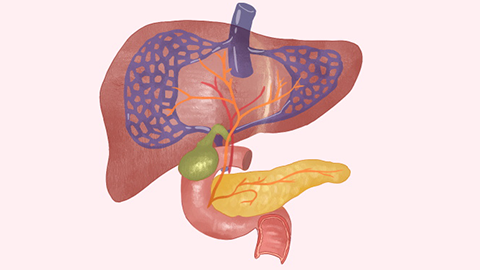
For individuals who are chronic hepatitis B carriers, regular medical check-ups are essential—ideally every six months. These examinations should include abdominal ultrasound, hepatitis virus serology (e.g., HBsAg, HBV DNA), and other tumor markers. Additionally, liver elastography is highly recommended. Liver elastography helps monitor the dynamic progression of hepatitis, hepatic fibrosis, and cirrhosis. We hope this information is helpful to you.


