


Can gout be treated with heat application?

Whether heat application is appropriate for gout depends on the disease stage. Heat application is generally not recommended during the acute phase of gout; however, it may be used under medical guidance during the intercritical or chronic arthritic phase. If discomfort or symptom exacerbation occurs during heat application, treatment should be discontinued immediately and medical attention sought. The rationale is as follows:
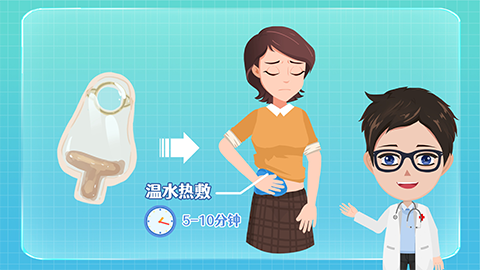
During the acute phase of gout, affected joints typically exhibit erythema, swelling, warmth, and pain. At this stage, heat application may cause vasodilation and enhance local blood circulation, thereby intensifying the inflammatory response and worsening joint hyperemia and edema. Consequently, heat application is usually contraindicated in the acute phase. Instead, cold application is preferred, as it promotes vasoconstriction and reduces inflammatory exudation, thereby alleviating pain.
During the intercritical or chronic arthritic phase, heat application may be considered cautiously. It can improve local blood circulation, relax muscle tension, relieve chronic pain, and reduce joint stiffness. However, the temperature must be moderate to avoid skin burns, and the duration should be limited—typically 15–20 minutes per session is appropriate.
The temperature of the heat application must be carefully controlled to prevent thermal injury to the skin. Additionally, prolonged heat application should be avoided to prevent adverse effects on local tissues.


