


What Are the Consequences of Drinking Alcohol with Gout?

In daily life, many men suffer from gout, yet continue drinking alcohol regularly—even after diagnosis. So, what are the consequences of drinking alcohol for individuals with gout?
What are the consequences of drinking alcohol for gout patients?
Alcohol consumption may exert numerous adverse effects on gout patients. Since gout is caused by hyperuricemia, ethanol can exacerbate purine metabolism, thereby increasing uric acid production and worsening hyperuricemia—potentially triggering or aggravating gouty arthritis. Moreover, the end-products of ethanol metabolism are excreted via the kidneys, which competitively inhibits renal uric acid excretion, leading to elevated serum uric acid levels. Both mechanisms may contribute to hyperuricemia or gout flares; thus, alcohol intake poses additional health risks for gout patients.
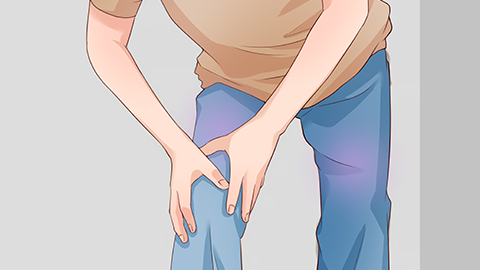
Patients experiencing an acute gout attack must strictly abstain from alcohol. Similarly, individuals with asymptomatic hyperuricemia whose serum uric acid levels remain uncontrolled should also completely avoid alcohol. All alcoholic beverages—including red wine, rice wine (huangjiu), baijiu (Chinese distilled spirit), and beer—are discouraged. However, for patients whose serum uric acid levels are well-controlled (i.e., maintained within the target range of 300–360 µmol/L), moderate consumption of dry red wine may be permissible. According to current clinical guidelines, tannic acid—abundant in dry red wine—has no significant effect on uric acid excretion or metabolism.
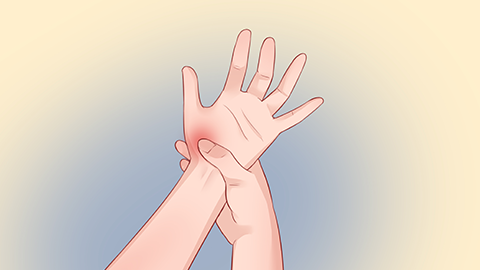
Therefore, even for patients whose gout is well-controlled, alcohol intake should be minimized. If consumed at all, dry red wine is the preferred choice—and only in moderation. We hope this information proves helpful to you.


