


Can patients with gout eat kelp?

Many people in daily life suffer from gout—a common clinical condition that significantly impairs quality of life and overall health. Individuals with gout must adhere to strict dietary restrictions. So, can people with gout eat kelp?
Can people with gout eat kelp?
Yes, individuals with gout may consume kelp. As a marine algae, kelp is an alkaline food and also low in purines. Therefore, moderate consumption of kelp poses minimal risk to gout patients. However, portion control remains important. Drinking plenty of warm water daily helps improve systemic circulation and promotes uric acid excretion. Additionally, patients should carefully monitor their diet—avoiding seafood and other high-purine foods to prevent disease exacerbation. Regular follow-up visits to the hospital for physician evaluation and relevant laboratory tests are also essential to monitor health status and ensure timely treatment.
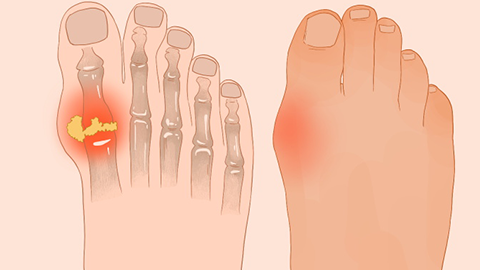
Gout is a metabolic disorder; thus, dietary management for gout patients centers on avoiding purine-rich foods. High-purine foods contain more than 150 mg of purines per 100 g and include organ meats (e.g., liver, kidney), various types of seafood, fermented foods, and rich meat broths or hotpot soups. Furthermore, total caloric intake should be controlled, alcohol must be strictly avoided, and foods containing moderate amounts of purines should also be limited. Moderate-purine foods contain 50–150 mg of purines per 100 g and include chicken, pork, beef, lamb, duck, goose liver, and legumes.

Gout patients should pay close attention to balanced daily nutrition, avoiding excessively spicy or high-purine foods to prevent gout from severely disrupting daily life. We hope this information proves helpful to you.


