


Can people with gout eat coriander?

Gout is a common clinical condition that significantly impairs patients’ daily lives. Individuals with gout experience a variety of symptoms and must adhere to specific dietary restrictions. So, can people with gout eat coriander (cilantro)?
Can people with gout eat coriander?
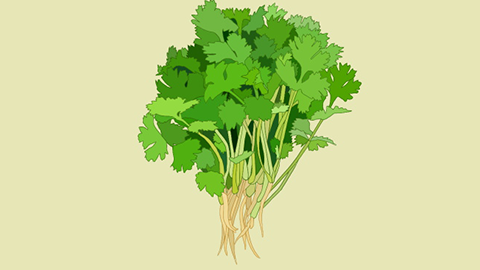
People with gout may consume coriander in moderation. As a culinary herb, coriander is typically used only in small amounts for flavoring. It is rich in nutrients and possesses a distinctive, refreshing aroma, conferring certain medicinal properties. Coriander is considered safe and potentially beneficial for gout patients when consumed appropriately. Traditionally classified as warm in nature and pungent in taste, coriander promotes diaphoresis (sweating), facilitates the eruption of rashes, aids digestion, relieves abdominal distension, clears mental fog, and exerts mild regulatory effects on the middle jiao (spleen-stomach system). These actions help stimulate appetite, enhance gastrointestinal motility, invigorate the spleen and stomach, and harmonize the middle jiao. Moreover, coriander extracts demonstrate pronounced diaphoretic and heat-clearing properties, effectively promoting rash eruption; its unique aroma stimulates sweat gland secretion, thereby enhancing perspiration and facilitating the outward expression of pathogenic factors.
Gout has become an increasingly prevalent and serious public health concern, closely linked to diet, lifestyle, and other modifiable factors. Prompt medical consultation, accurate diagnosis, and appropriate treatment are crucial upon disease onset. Gout management is generally divided into two phases: First, the acute phase—focused primarily on symptom control, such as reducing swelling and alleviating pain; and second, the chronic phase—initiated only after acute symptoms have been adequately controlled, during which uric acid–lowering therapy becomes essential. This latter phase constitutes the cornerstone of long-term gout management; without sustained uric acid reduction, recurrent gout attacks are highly likely.
Patients with gout should prioritize self-care, strengthen their immune and resistance systems, and avoid inappropriate or uncontrolled dietary choices—otherwise, gout may worsen and further disrupt daily life. We hope this information proves helpful to you.


