


Can people with gout eat mushrooms and other fungi?

In addition to pharmacological treatment, patients with gout must adhere to strict dietary requirements and restrictions in daily life. So, can individuals with gout consume mushrooms and other fungi?
Can individuals with gout eat mushrooms and other fungi?
Yes, individuals with gout may consume mushrooms. While mushrooms contain relatively high levels of purines—classifying them as moderate-purine foods—their purine and uric acid content can be significantly reduced through common cooking methods such as blanching or frying. Consequently, they are unlikely to trigger hyperuricemia. Therefore, gout patients can safely consume shiitake mushrooms, oyster mushrooms, button mushrooms, and similar varieties, provided intake remains moderate.
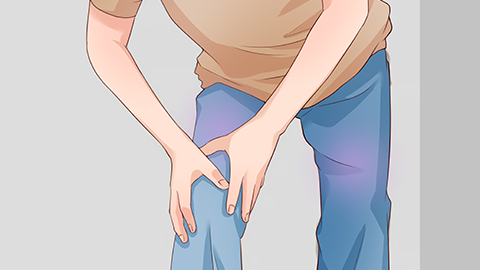
Gout predominantly affects middle-aged men and postmenopausal women. In the pre-gout (asymptomatic hyperuricemia) stage, patients often exhibit no obvious symptoms—or only nonspecific manifestations such as fatigue, general malaise, or mild joint discomfort—without characteristic physical signs. Elevated serum uric acid levels are typically detected only during routine blood testing. During the acute gouty arthritis phase, the hallmark symptom is sudden, severe joint pain that progressively worsens, commonly initiating during nighttime sleep and frequently awakening patients due to intense discomfort.
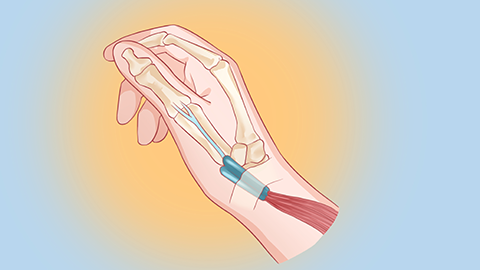
The most commonly affected sites are the joints of the extremities, presenting with periodic episodes of erythema, swelling, warmth, pain, and restricted mobility. Most patients experience spontaneous resolution within approximately two weeks after onset. Some may also develop systemic symptoms including chills, fever, headache, and palpitations. We hope this information proves helpful to you.


