


Is it good to have a negative hepatitis B surface antibody?

Hepatitis B virus (HBV) causes a group of infectious diseases primarily characterized by inflammatory liver damage. These diseases are highly contagious, transmitted via complex routes, and have a high incidence rate. So, is it favorable to test negative for hepatitis B surface antibody (anti-HBs)?
Is it favorable to test negative for hepatitis B surface antibody?
For patients with hepatitis B, hepatitis B surface antibody is invariably negative. However, for healthy individuals, testing negative for anti-HBs is undesirable. Anti-HBs is a protective antibody; if even a small amount of HBV enters the body, anti-HBs can neutralize the virus, preventing it from reaching the liver and replicating there. Therefore, individuals who test negative for hepatitis B surface antigen (HBsAg) are strongly advised to receive the hepatitis B vaccine. Some individuals fail to develop detectable anti-HBs levels following the standard vaccination schedule; however, even low-titer anti-HBs may still confer partial protection against HBV infection.
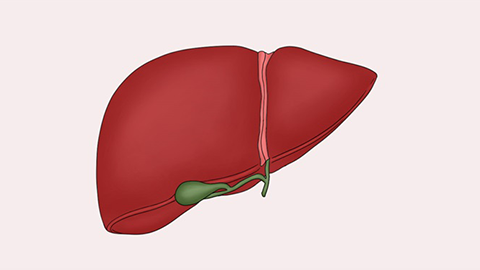
Contracting hepatitis B not only impairs one’s own liver function but is also highly contagious—potentially infecting family members or coworkers. During active hepatitis B infection, liver function deteriorates and gastrointestinal symptoms such as abdominal distension, fatigue, and loss of appetite commonly occur, significantly interfering with work and academic performance.

In cases of chronic hepatitis B with prolonged disease duration, some patients may progress to cirrhosis and, ultimately, hepatocellular carcinoma. Once cirrhosis develops, complications frequently arise—including gastrointestinal bleeding, ascites, hypoalbuminemia, spontaneous bacterial peritonitis, and hepatorenal syndrome. We hope this response has been helpful to you!


