


Can individuals with hepatitis B pass the civil service physical examination?

Healthy individuals undergo routine physical examinations to assess their overall health status and detect any potential diseases or high-risk factors. With the continuous improvement in living standards, more and more people are placing greater emphasis on their health. So, can individuals with hepatitis B pass the civil service medical examination?
Can individuals with hepatitis B pass the civil service medical examination?
Yes—as long as liver function tests are normal, candidates with hepatitis B can generally pass the examination, provided they avoid positions in healthcare, food service, and early childhood education. If liver function is impaired, timely and appropriate treatment is strongly recommended. Patients should seek care at reputable, authoritative hospitals and select evidence-based treatment approaches tailored to their specific condition—avoiding common misconceptions or inappropriate therapies—to maximize therapeutic efficacy and outcomes.
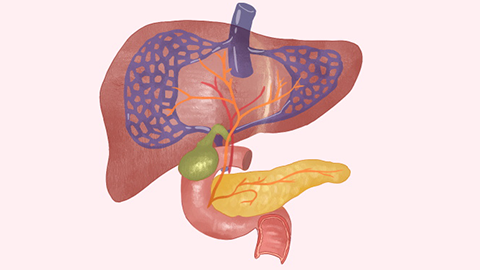
Hepatitis B prevention involves eliminating sources of infection, isolating infectious patients, and conducting regular follow-up monitoring for individuals who remain virus carriers during convalescence. Carriers must maintain strict personal hygiene and occupational hygiene, taking care to prevent contamination of the surrounding environment by their blood, saliva, or other bodily secretions. Personal items—including toothbrushes, razors, and toiletries—must be kept strictly separate from those used by healthy individuals.
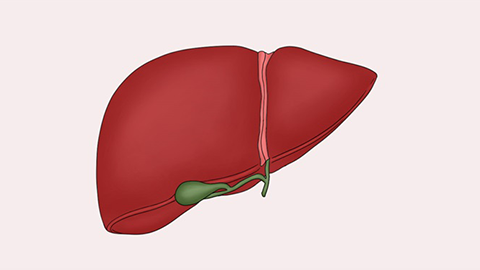
In daily life, hepatitis B prevention also requires maintaining a balanced diet, engaging in regular physical exercise, balancing work and rest, strengthening overall physical fitness, and enhancing immune function—thereby reducing susceptibility to viral infection. Regardless of whether hepatitis B carriers are present in one’s immediate environment, special attention must be paid to the hygiene and safety of instruments used for injections, dental cleanings, and other invasive procedures. We hope this information proves helpful to you!


