


What does it mean when all hepatitis B test results are negative?

Hepatitis B virus (HBV)-related infectious diseases—characterized primarily by HBV-induced liver damage—are highly contagious, transmitted via complex routes, widely prevalent, and associated with a high incidence rate. So, what does it mean when all hepatitis B test results are negative?
What Does “All Hepatitis B Tests Negative” Mean?
“All hepatitis B tests negative” typically means that the following five serological markers are all negative: hepatitis B surface antigen (HBsAg), hepatitis B surface antibody (anti-HBs), hepatitis B e-antigen (HBeAg), hepatitis B e-antibody (anti-HBe), and hepatitis B core antibody (anti-HBc). This indicates no prior HBV infection, no current viral replication, and no infectivity. However, it also signifies the absence of protective immunity against HBV infection, rendering the individual susceptible to infection. Therefore, hepatitis B vaccination is recommended to stimulate antibody production. A positive anti-HBs result indicates the presence of protective antibodies capable of preventing HBV infection.
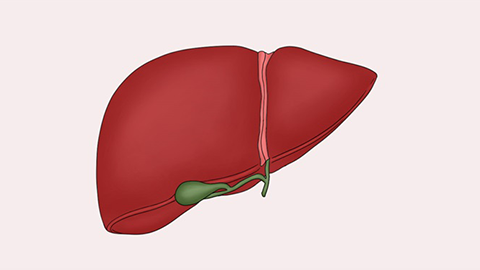
Prevention of hepatitis B involves eliminating sources of infection, implementing strict isolation measures for infectious patients, and conducting regular follow-up examinations for individuals in the convalescent phase who remain HBV carriers. Carriers must maintain rigorous personal and occupational hygiene to prevent contamination of the surrounding environment with their blood, saliva, or other bodily secretions. Utensils, toothbrushes, face-washing items, and washbasins should be strictly separated from those used by healthy individuals.
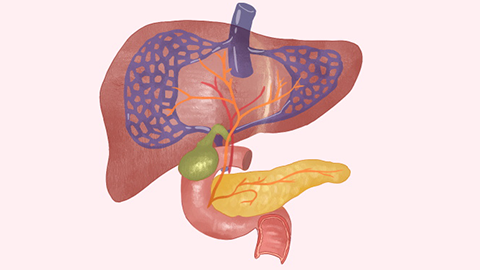
In daily life, enhanced health education and hygiene management are essential. To prevent iatrogenic transmission, strict sterilization protocols must be followed for every injection; disposable syringes are strongly recommended. Blood-contaminated materials must undergo thorough disinfection. Furthermore, stringent regulation and quality control of blood products are critical.We hope this response has been helpful to you!


