


What is the normal size range for the ovaries?

The ovaries are the female gonads, responsible for secreting female sex hormones and serving as indispensable reproductive organs in women. So, what is the normal size range for ovaries?
Normal Ovarian Size Range
The normal ovarian size ranges approximately from 1 to 4 cm. Slight variations may occur due to individual differences in body composition. If imaging results indicate abnormally enlarged ovaries, patients should seek further evaluation. Possible causes include polycystic ovary syndrome (PCOS) or ovarian tumors. Additionally, ovarian enlargement may occur during pregnancy or in cases of ectopic pregnancy involving the ovary. Conversely, if imaging reveals reduced ovarian volume, it may suggest ovarian atrophy or even premature ovarian insufficiency (POI).
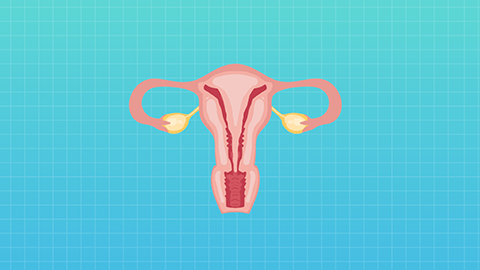
With advancing age, ovarian tissue gradually undergoes atrophy and shrinkage. In some postmenopausal women, the ovaries may shrink to a size no longer discernible by the naked eye. Furthermore, baseline ovarian volumes vary slightly among individuals, largely influenced by genetic factors. In pathological conditions, however, ovarian volume may increase significantly. For instance, in patients with ovarian cysts, ultrasound often reveals cystic enlargement of ovarian tissue. There is no upper limit to such enlargement—some patients may develop massive ovarian masses occupying the entire abdominal cavity.
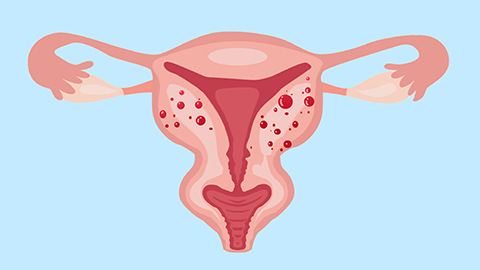
Since most ovarian disorders lack specific or distinctive symptoms, it is recommended that women undergo annual gynecological color Doppler ultrasound examinations and routine health screenings to detect reproductive system diseases early. This helps prevent delays in diagnosis and treatment of potentially serious conditions. We hope this information has been helpful!


