


How to Prevent Hepatitis B When a Family Member Has It

In daily life, hepatitis B is a very common chronic infectious hepatitis. Some patients’ family members may also develop this condition. So, how can one prevent hepatitis B infection when a family member has it?
How to Prevent Hepatitis B When a Family Member Is Infected
The primary transmission routes of hepatitis B are blood and blood products, sexual contact, and mother-to-child (vertical) transmission. Routine daily contact—such as sharing personal items, handshaking, hugging, eating together, or using the same toilet—is safe, provided there is no exposure to blood. However, direct contact with an infected family member’s blood or saliva must be strictly avoided.
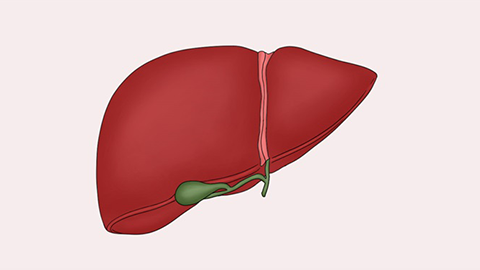
Complications of hepatitis B include a significantly higher risk of cirrhosis compared with the general population—especially in cases where the disease is uncontrolled, hepatitis B virus (HBV) remains positive, and liver function tests repeatedly show abnormalities. Cirrhosis typically develops after approximately 20 years. Moreover, patients with chronic hepatitis B face a substantially elevated risk of hepatocellular carcinoma (HCC). Therefore, individuals with cirrhosis or chronic hepatitis B—particularly those with a family history of liver cancer—must undergo regular follow-up examinations. Even when hepatitis B appears stable (i.e., HBV DNA is undetectable and liver function tests are normal), screening for alpha-fetoprotein (AFP) and abdominal ultrasound remains essential to enable early detection and timely treatment of HCC.

If a patient is diagnosed with hepatitis B, regular hospital follow-ups are essential. In daily life, dietary precautions are critical: meals should be light and bland, spicy or irritating foods should be avoided, and ample plain water intake is recommended to support metabolic health. We hope this article has been helpful. Wishing you good health and a joyful life!


