


Normal Heart Rate Values

The heart is a vital organ, and its beating must occur at a specific rate and rhythm. “Rhythm” refers to the regularity of the heartbeat per minute, whereas “rate” denotes the number of heartbeats per minute—also known as the heart rate. So, what constitutes a normal heart rate?
Normal Heart Rate Values
In healthy individuals under resting conditions (i.e., resting heart rate), the normal heart rate typically ranges from 60 to 100 beats per minute (bpm). This range may vary depending on age, sex, or other physiological factors. Generally, younger individuals have faster heart rates, while older adults tend to have slower rates. Women often exhibit slightly higher heart rates than men of the same age—a normal physiological phenomenon. Under resting conditions, the standard adult heart rate falls within 60–100 bpm, with an ideal range of 55–70 bpm. Athletes commonly display lower resting heart rates, averaging approximately 50 bpm.
Newborns: 120–140 bpm
Infants under 1 year: 110–130 bpm
Children aged 2–3 years: 100–120 bpm
Children aged 4–7 years: 80–100 bpm
Children aged 8–12 years: 70–90 bpm
Individuals aged 12 years and older (including adults): 60–100 bpm
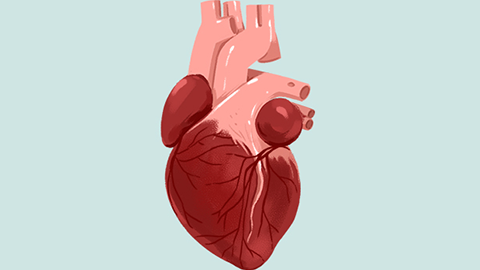
A heart rate exceeding 100 bpm in adults indicates tachycardia, which may be either physiological or pathological in origin. Physiological tachycardia is common and can result from various everyday factors—including changes in body position, digestion, emotional excitement, alcohol consumption, or smoking—all of which may transiently elevate the heart rate. We hope this article has been helpful to you. Wishing you a joyful life and good health!


