


Can people with gout consume eggs and milk?

Gout is primarily a disorder caused by abnormal purine metabolism in the body; therefore, patients should avoid high-purine foods in their diet. Many patients wonder whether they can consume eggs and milk—and whether such foods might affect their condition. So, can individuals with gout eat eggs and milk?
Can people with gout eat eggs and milk?
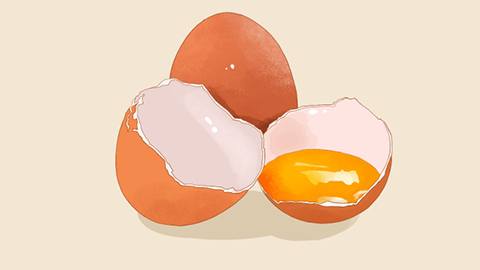
Yes, individuals with gout may consume eggs and milk. However, egg yolks should be avoided, as they contain relatively high levels of purines. Patients with gout should strictly avoid high-purine foods—including seafood, hotpot dishes, and meats—and minimize alcohol consumption. During acute gout flares, all types of alcoholic beverages—including beer,白酒 (baijiu), and wine—must be completely avoided.
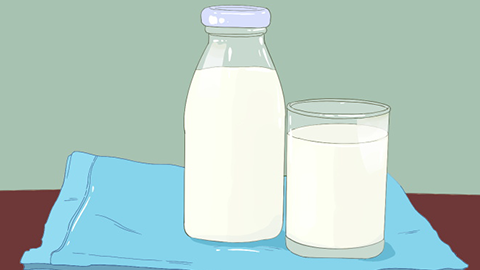
During an acute gout flare, dairy products—including milk—should not be consumed. Once the flare has subsided and serum uric acid levels have normalized, small amounts of milk may be reintroduced. There are generally no dietary restrictions regarding vegetables for gout patients—most vegetables are safe to eat, as are many soy-based products. However, when consuming fruits, patients should limit intake of those with high sugar content—such as lychee and jackfruit—as excessive consumption may trigger gout attacks. Conversely, cherries and sweet cherries (also known as “cherries” or “black cherries”) may help reduce the frequency of gout flares.
Therefore, patients experiencing gout should make appropriate dietary adjustments. We hope this article has been helpful. Wishing you good health and happiness!


