


How many follicles are considered within the normal range?

After a follicle ruptures, it releases an egg—a normal physiological process essential for conception. Abnormal follicles may impair fertility. So, how many follicles constitute a normal range?
Normal Follicle Count
The number of follicles varies significantly with a woman’s age. Prior to the 28th week of gestation, the fetal ovarian follicle count peaks at approximately 6–7 million. Between weeks 28 and 40 of gestation, many follicles undergo atresia (degeneration), leaving roughly 2–3 million follicles at birth. By puberty, this number declines further to about 200,000–300,000. After puberty begins, women typically ovulate one egg per menstrual cycle; thus, over a lifetime, approximately 400–600 eggs are released. During peak reproductive years, only one dominant follicle matures each month, while the rest undergo atresia. As women age, ovarian function gradually declines, resulting in a progressive reduction in the number of remaining follicles.
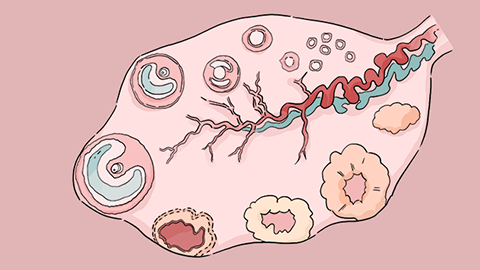
The standard size for a mature, healthy follicle is a diameter of 18–25 mm. If follicle size falls within this normal range, ovulation generally proceeds normally. Transvaginal ultrasound monitoring typically reveals the largest follicle between days 10 and 16 of the menstrual cycle. A mature follicle measures approximately 20 mm in diameter, has a thin wall, protrudes toward one side of the ovary, and demonstrates good internal echogenicity (acoustic transmission).

Women who are trying to conceive are advised to prioritize adequate rest, avoid excessive physical exertion, and refrain from strenuous exercise. We hope this information is helpful! Wishing you optimal health and happiness!


