


Normal Range of Plateletcrit (PCT)
May 23, 2022
Source: Cainiu Health

Dr. Li Man
Introduction
The normal reference range for hematocrit is 0.11%–0.23%.
Elevated hematocrit is observed in: primary immune thrombocytopenic purpura (ITP), myelodysplastic syndromes (MDS), remission phase of acute leukemia, late pregnancy, megaloblastic anemia, and thrombosis. It may also occur in myelodysplastic syndromes and chronic myeloid leukemia (CML).
Platelet hematocrit (PCT) refers to the percentage of total blood volume occupied by all platelets in the blood. Changes in PCT closely correlate with fluctuations in platelet count. What, then, is the normal reference range for platelet hematocrit?
Normal Reference Range for Platelet Hematocrit
The normal reference range for platelet hematocrit is 0.11%–0.23%.
Elevated platelet hematocrit may be observed in conditions such as primary immune thrombocytopenic purpura (ITP), myelodysplastic syndromes (MDS), remission phase of acute leukemia, late pregnancy, megaloblastic anemia, and thrombosis. It may also occur in MDS, chronic myeloid leukemia (CML), acute blood loss, acute hemolysis, and post-splenectomy states.
Decreased platelet hematocrit may be seen during chemotherapy for acute leukemia, aplastic anemia, and hypersplenism. It may also occur in aplastic anemia, acute leukemia, radiotherapy or chemotherapy, immune thrombocytopenic purpura, and hypersplenism.

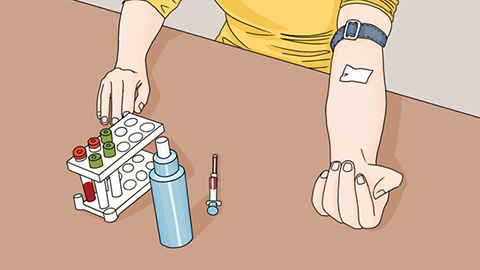
When measuring platelet hematocrit, several precautions should be observed: fasting for 12 hours prior to testing; avoiding fatty foods the evening before the test; remaining relaxed during blood collection to prevent anxiety-induced vasoconstriction, which may complicate venipuncture; applying local pressure to the puncture site for 3–5 minutes after blood draw to achieve hemostasis; avoiding rubbing the area to prevent subcutaneous hematoma formation; and ensuring adequate compression time—coagulation times vary among individuals, and some may require slightly longer compression to achieve effective hemostasis. We hope this information is helpful to you!






