


What is the normal progesterone level at 8 weeks of pregnancy?

Progesterone is a hormone that influences women’s menstrual cycles and pregnancy. Many women undergo progesterone testing primarily to assess ovarian ovulation and corpus luteum function. So, what is the normal progesterone level at eight weeks of gestation?
What is the normal progesterone level at eight weeks of gestation?
At eight weeks of pregnancy, the typical serum progesterone level ranges approximately from 20 to 30 ng/mL. Following conception, levels of estrogen, progesterone, and human chorionic gonadotropin (hCG) rise progressively. Throughout pregnancy, serum progesterone concentrations increase steadily with advancing gestational age. During the first six weeks (up to day 42), progesterone is predominantly secreted by the ovarian corpus luteum; in mid- to late pregnancy, the placenta becomes the primary source. Progesterone acts synergistically with estrogen to transform the endometrium into a secretory state, facilitating embryonic implantation, inhibiting uterine contractions, and maintaining uterine quiescence until term. Additionally, progesterone promotes the development of mammary gland acini in preparation for lactation.
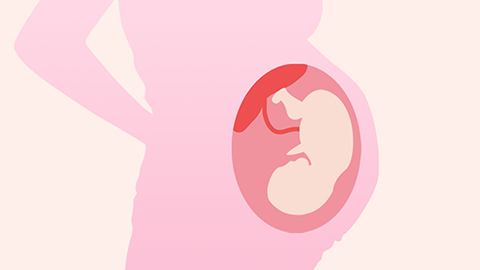
Progesterone is a naturally occurring hormone secreted by the ovaries—commonly referred to as “progestin.” It is an indispensable hormone during pregnancy. Adequate progesterone ensures optimal uterine nutrition, secure implantation of the fertilized egg, and supports normal fetal development. Under the influence of estrogen, progesterone also facilitates proper breast development, preparing the body for postpartum lactation.

A sharp decline in progesterone can severely impair fetal growth and development; therefore, progesterone supplementation may be necessary when maternal levels are low. Low progesterone levels in some women may indicate underlying pathology—most commonly, endocrine insufficiency. Regular prenatal check-ups are strongly recommended. We hope this information has been helpful. Wishing you good health and happiness!


