


What Foods Should Be Avoided in Gout?

With improvements in living standards, people are paying increasing attention to their diet—especially individuals with gout, who must exercise particular caution. So, what foods should be avoided by those with gout?
Foods to Avoid with Gout
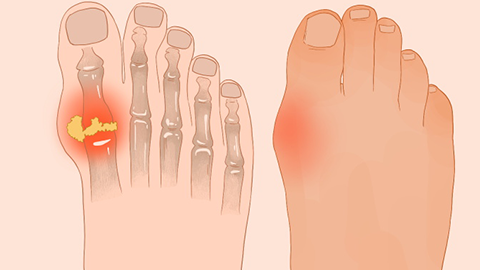
Gout results from disordered purine metabolism and impaired uric acid excretion, leading to elevated serum uric acid levels and subsequent joint inflammation—characterized by redness, swelling, heat, and pain. Acute gout attacks can be extremely painful. Therefore, individuals with gout should avoid high-purine foods, including organ meats (e.g., pork liver), red meats (e.g., pork), seafood and other aquatic products, legumes (e.g., green soybeans, edamame), and similar items. It is recommended to drink plenty of water—ideally over 2,000 mL daily—to promote uric acid excretion. Additionally, patients should avoid high-purine foods, exposure to cold, excessive fatigue, smoking, and alcohol consumption.
Dietary management is especially critical for gout patients. For staple foods, prefer alkaline-leaning options such as rice, corn, wheat, sorghum, and oats. Fresh vegetables and fruits are encouraged: suitable vegetable choices include winter melon, cucumber, pumpkin, loofah, and cabbage—vegetables low in or free of purines. Recommended fruits include alkaline varieties such as pears, watermelon, and grapes, or low-purine options like apples, lemons, and bananas. Among protein sources, eggs (chicken or duck), and fish are acceptable; however, intake of other animal proteins should be strictly limited, and seafood should be completely avoided.

Furthermore, if symptoms appear, prompt medical evaluation at a hospital is strongly advised, and treatment should always be undertaken under the guidance of a qualified physician. We hope this information proves helpful to you!


