


What Is the Normal Blood Glucose Range for a 70-Year-Old?

As the saying goes, “People only begin to cherish life after reaching age 70.” Most individuals aged 70 and older suffer from various health conditions—especially hyperglycemia (high blood glucose). The prevalence of hyperglycemia is relatively high among the elderly population. So, what constitutes a normal blood glucose range for individuals aged 70?
Normal Blood Glucose Range for 70-Year-Olds
For most elderly individuals, fasting blood glucose levels can be safely maintained between 6.0–7.0 mmol/L, while postprandial (after-meal) glucose levels may be kept within 8–10 mmol/L. This range is generally considered safe and appropriate for older adults. Family members should closely monitor the elderly person’s blood glucose levels through regular, intermittent testing to ensure values remain within this target range—thereby minimizing concerns about adverse effects on health. If elevated blood glucose is suspected, multiple measurements are advisable; however, when measuring fasting glucose, the individual must fast for at least approximately eight hours. Should test results consistently indicate hyperglycemia, prompt intervention is essential to prevent further progression.
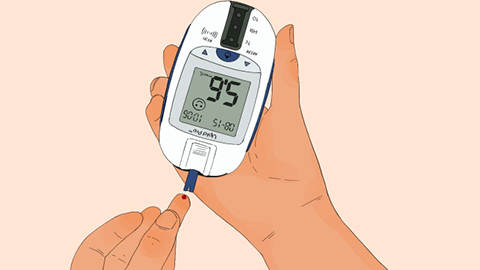
If blood glucose levels rise, dietary adjustments should be the first priority—specifically, reducing intake of high-sugar foods. Caloric intake should be carefully managed, while low-sugar vegetables and fruits should be emphasized. Regular physical activity should also be incorporated to help maintain a healthy weight. Through such lifestyle modifications, mild elevations in blood glucose often normalize spontaneously. In cases of more pronounced hyperglycemia, pharmacologic therapy with antihyperglycemic agents may be necessary to achieve and sustain optimal glycemic control.
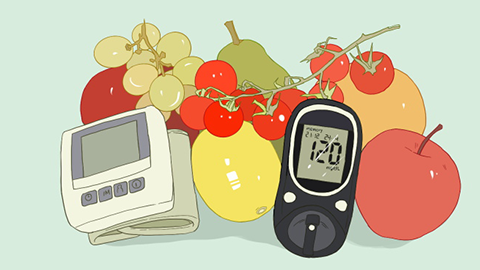
In daily meals, adherence to a low-sodium, low-fat diet is essential—and high-sugar foods must be strictly limited. We hope this information proves helpful! Wishing you robust health and joyful living!


