


How to Relieve Gout Pain

Gout is a condition most people are familiar with, as many encounter gout patients in their daily lives. However, observant individuals may notice that gout patients often appear to be in significant pain—primarily due to the disease itself. So, how can gout-related pain be alleviated?
How to Alleviate Gout Pain
Before bedtime, soak your feet (and hands, if needed) in a gout-specific foot-and-hand bath solution for at least 30 minutes. This helps relieve pain and promotes the re-dissolution and excretion of uric acid crystals from the body. Avoid prolonged immobility in daily life; instead, regularly move your joints. Gently exercise your fingers and toes, knees and elbows, and perform stretching exercises—these activities help dislodge uric acid crystals accumulated around the joints. Additionally, ensure adequate rest, quit smoking and alcohol, drink plenty of water (at least 2,000 mL per day), avoid binge eating or overeating, minimize stress and anxiety, wear properly fitting shoes, and keep warm.
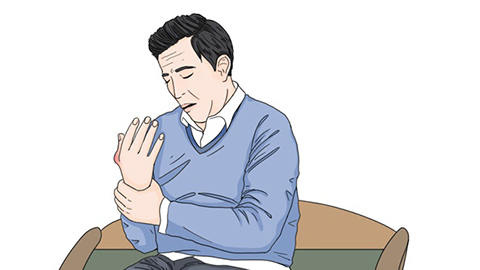
During an acute gouty arthritis attack, the most critical treatment is the prompt initiation of anti-inflammatory medication to reduce pain, inflammation, and swelling. Once symptoms improve, the dosage should be gradually tapered. The choice among colchicine, nonsteroidal anti-inflammatory drugs (NSAIDs), or corticosteroids depends on the patient’s age and any comorbid conditions.
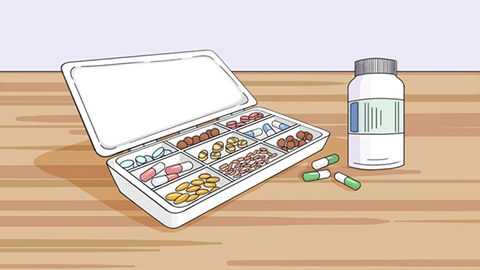
Individuals with gout should consume more soy products, yogurt, other dairy products, and fresh fruits and vegetables, while limiting intake of high-protein foods. We hope this information proves helpful! Wishing you good health and a joyful life!


