Can individuals with positive hepatitis B surface antibody (anti-HBs), hepatitis B e antibody (anti-HBe), and hepatitis B core antibody (anti-HBc) — i.e., “HBsAg-negative, anti-HBs-positive, anti-HBe-positive, anti-HBc-positive” pattern (often referred to as “2-4-5 positive”) — donate blood?
May 24, 2022
Source: Cainiu Health

Dr. Jiang Weimin
Introduction
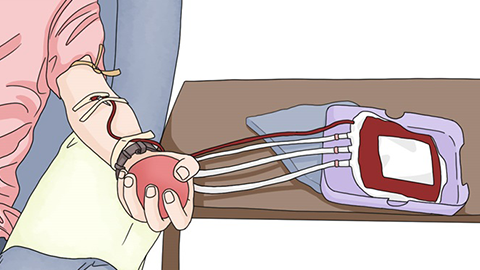
Individuals who test positive for hepatitis B surface antibody (anti-HBs), hepatitis B e antibody (anti-HBe), and hepatitis B core antibody (anti-HBc)—commonly referred to as “HBV 2-4-5 positive”—are not eligible to donate blood. If such a result is detected, it generally poses no significant health risk to the individual. For the general population, a “2-4-5 positive” pattern typically indicates prior exposure to the hepatitis B virus—possibly an asymptomatic (subclinical) infection. In the absence of active disease, the body has usually cleared the hepatitis B virus effectively.
For the general population, a positive HBV serology pattern of “2-4-5” (i.e., positive for hepatitis B surface antibody [anti-HBs], hepatitis B e antibody [anti-HBe], and hepatitis B core antibody [anti-HBc]) indicates prior exposure to the hepatitis B virus (HBV)—possibly an asymptomatic or subclinical infection. In such cases, the body has typically cleared the virus without developing overt disease. So, can individuals with a “2-4-5” positive pattern donate blood?
Can individuals with a “2-4-5” positive pattern donate blood?
Individuals with a “2-4-5” positive serological profile are not eligible to donate blood. If identified as “2-4-5” positive, this usually poses no significant health risk to the individual themselves. For the general population, this pattern signifies prior exposure to HBV—potentially an asymptomatic (covert) infection. In the absence of clinical illness, the body has generally eliminated the virus. A “2-4-5” positive result merely reflects immunological evidence of past infection—i.e., the virus has entered the body and left a detectable serological footprint.
When an individual is otherwise healthy and immunocompetent, HBV remains dormant and unable to replicate actively; the immune system effectively controls the virus. However, in rare, extreme circumstances—such as malignancy requiring chemotherapy—the administration of chemotherapeutic agents may impair normal immune function. This immunosuppression can cause previously suppressed HBV (as indicated by the “2-4-5” pattern) to reactivate, potentially shifting the serological profile to “1-4-5” (HBsAg-positive, anti-HBe-positive, anti-HBc-positive) or even “1-3-5” (the classic “triple-positive” pattern indicative of active chronic HBV infection).
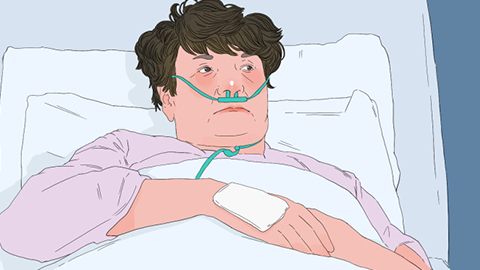
Concurrently, quantitative HBV DNA testing may also become positive, indicating viral reactivation and renewed replication. Therefore, from the perspective of blood transfusion safety and donor screening, individuals with a “2-4-5” positive serological profile are excluded from blood donation to maximize the safety of the blood supply. We hope this explanation has been helpful!