


Can people with gout eat winter melon?

Gout is a common form of acute, recurrent arthritis whose pathogenesis is directly linked to hyperuricemia. Patients with gout must also observe numerous dietary precautions in daily life. So, can individuals with gout eat winter melon?
Can people with gout eat winter melon?
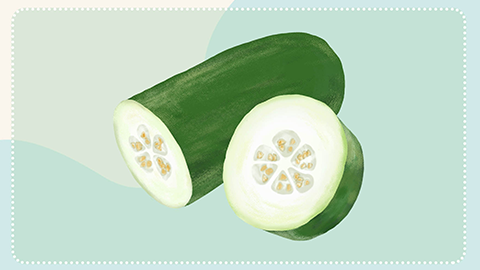
Yes, individuals with gout may safely consume winter melon. As a commonly eaten vegetable, winter melon contains very low levels of purines. Eating winter melon offers diuretic effects that promote uric acid excretion and does not elevate serum uric acid levels. Rich in dietary fiber and composed predominantly of water, regular consumption of winter melon supports diuresis, reduces edema, and aids weight management. It is especially suitable for patients with metabolic syndrome—including those with comorbid hyperglycemia, hyperlipidemia, and obesity.
In daily life, besides winter melon, gout patients may consume a wide variety of vegetables—such as spinach, Chinese cabbage, and celery—as well as moderate amounts of fruit. Conversely, they should strictly limit intake of high-purine foods, including animal liver and other organ meats, shellfish, and other seafood. They should also minimize consumption of meat broths, avoid all shellfish entirely, and abstain completely from alcohol.

Lifestyle modifications are critically important for gout patients; however, pharmacological treatment remains the cornerstone of management. Consistent use of uric acid–lowering medications is essential to reduce the frequency of gouty arthritis attacks and prevent renal damage. This is because diet contributes only 10–15% to overall uric acid levels in the body. We hope this article has been helpful. Wishing you a joyful life and optimal health!


