


What is the normal range for hepatitis B virus (HBV) nucleic acid quantification?

HBV DNA quantification, also known as hepatitis B virus (HBV) nucleic acid quantification, is a critical indicator for assessing the level of HBV replication activity and infectivity. The normal reference range for HBV DNA quantification is 0–1,000 copies/mL. Analysis is as follows:
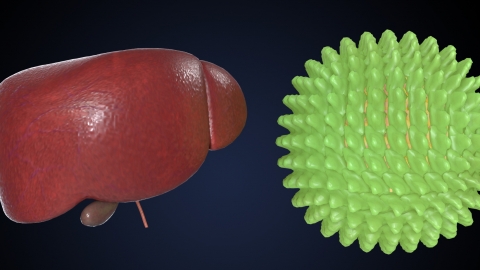
HBV DNA quantification accurately reflects the degree of viral infectivity: higher viral loads correlate with greater infectivity. The normal reference range for HBV DNA quantification is 0–1,000 copies/mL. If the test result falls within this normal range, HBV replication is considered inactive and infectivity is low; if the result exceeds 1,000 copies/mL, HBV replication is relatively active and infectivity is high. HBV DNA quantification helps evaluate the actual clinical status of HBV carriers and monitor disease progression or improvement. It also serves as a key basis for initiating and guiding antiviral therapy.
When interpreting HBV DNA quantification results, clinicians must integrate findings from liver function tests, clinical symptoms, and other relevant diagnostic evaluations to ensure accurate diagnosis and appropriate therapeutic decision-making.


