


Does gout cause pain during rainy weather?

Gout attacks are closely associated with disturbances in purine metabolism within the body. During a gout flare-up, affected joints typically become red, swollen, and painful. So, does gout pain worsen during rainy weather?
Does gout pain worsen during rainy weather?
Patients with gout may experience increased pain during rainy weather—primarily due to heightened infection risk and reduced uric acid solubility.
Infection: Rainy weather often brings cold, damp conditions that predispose individuals to cold exposure and subsequent infections. This can trigger systemic inflammatory responses, exacerbating symptoms of acute gouty arthritis and intensifying joint pain.
Reduced uric acid solubility: Cold, rainy weather lowers ambient temperature, potentially reducing peripheral (e.g., limb) temperatures. As blood temperature drops, the solubility of uric acid in plasma decreases, promoting crystallization and deposition of monosodium urate crystals within joints—thereby triggering or worsening acute gouty arthritis and associated pain.
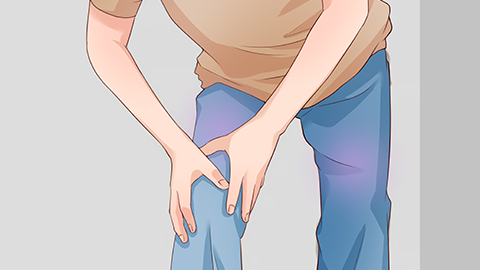
Therefore, gout patients should take extra precautions during rainy or cold weather—maintaining warmth by wearing appropriate clothing and avoiding cold exposure. Even when symptoms subside, patients should avoid overexertion and alcohol consumption, as these factors may precipitate acute gouty arthritis. Additionally, high-purine foods—including crab, rich broths, pork heart, and pork brain—should be avoided to prevent symptom aggravation.
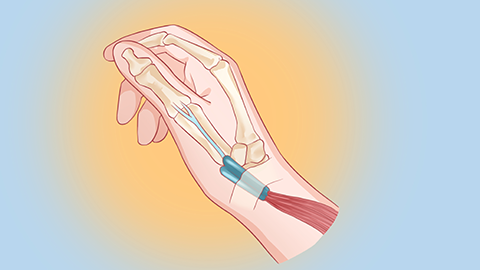
Recurrent, severe gout may lead to serious comorbidities, such as coronary artery disease, hypertension, diabetes mellitus, and even renal impairment. In such cases, prompt medical evaluation and pharmacologic management under a physician’s guidance are essential for effective control and long-term recovery. We hope this information is helpful to you!


